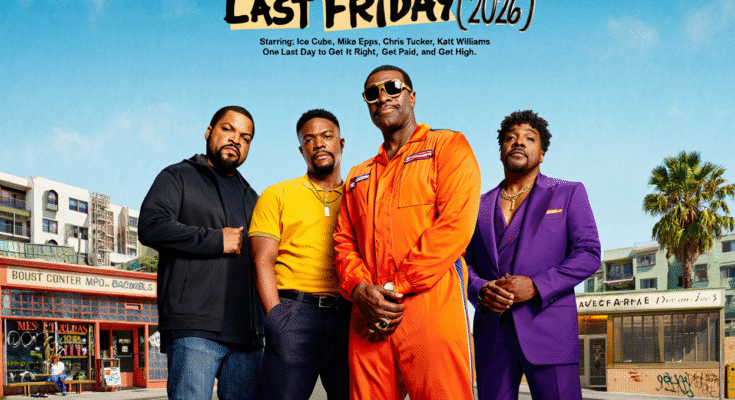
Last Friday arrives as both a celebration and a farewell, closing the door on one of the most beloved comedy franchises of the last three decades. From the opening scenes, the film makes it clear this isn’t just about getting laughs—it’s about legacy. The neighborhood has changed, the characters have aged, and the world around Craig Jones no longer resembles the block he once knew. That tension between past and present becomes the emotional backbone of the film.
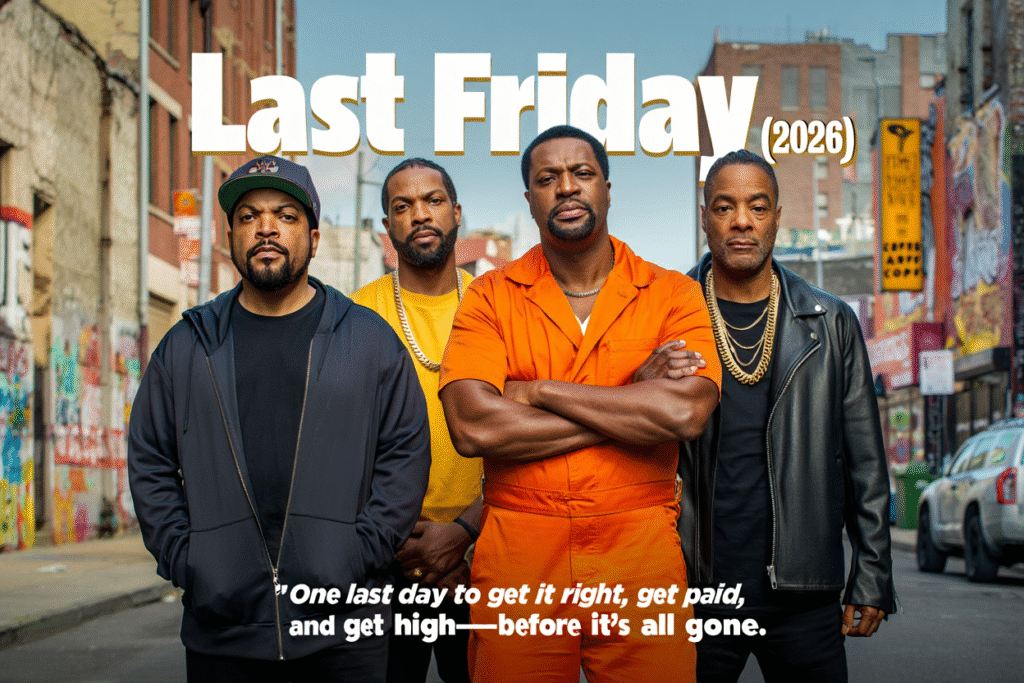
Ice Cube slips effortlessly back into Craig, now older, calmer, and more reflective. He’s no longer just trying to survive the day—he’s trying to protect history. The loss of Pops hangs heavily over the story, grounding the comedy with genuine emotion and giving Craig a reason to fight harder than ever to save the family home. Cube’s performance carries a quiet maturity that shows how far the character has come without losing his edge.
Mike Epps’ Day-Day remains a comedic force of nature. Still loud, still reckless, still hilarious, Day-Day represents the refusal to grow up completely—and the film wisely uses him as both comic relief and emotional contrast to Craig. Their cousin chemistry is intact, and their back-and-forth feels natural, lived-in, and deeply familiar to longtime fans.
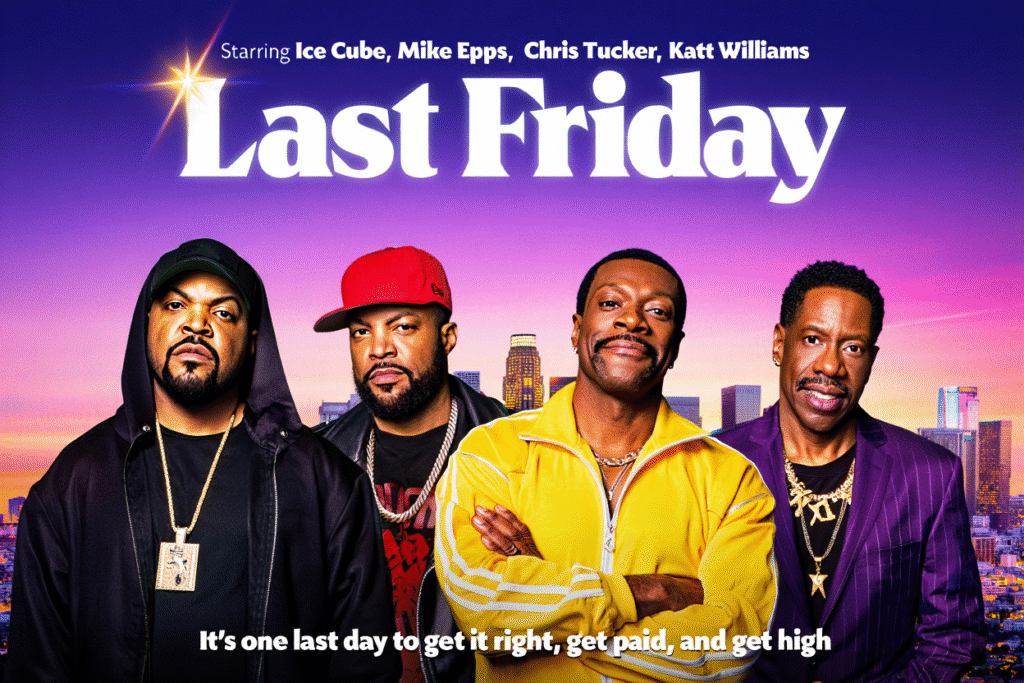
The return of Chris Tucker as Smokey is the film’s biggest crowd-pleaser. Louder, faster, and somehow even more unhinged than before, Smokey’s presence instantly snaps the movie back into classic Friday energy. At the same time, his rehab backstory adds a surprisingly thoughtful layer, allowing the film to poke fun while still acknowledging growth and survival.
Katt Williams’ Money Mike is pure chaos, as expected. He storms into the film with ridiculous confidence, wild outfits, and nonstop quotables. While his role is largely comedic, Money Mike also symbolizes hustle culture and survival in a changing neighborhood, giving his antics more relevance than they initially appear to have.
Where Last Friday truly stands out is its handling of gentrification. The jokes hit hard, but the message hits harder. Coffee shops, rent hikes, and corporate interests replace mom-and-pop businesses, and the film never lets you forget what’s being lost. It’s social commentary wrapped in blunt humor, staying true to the franchise’s tradition of laughing through struggle.
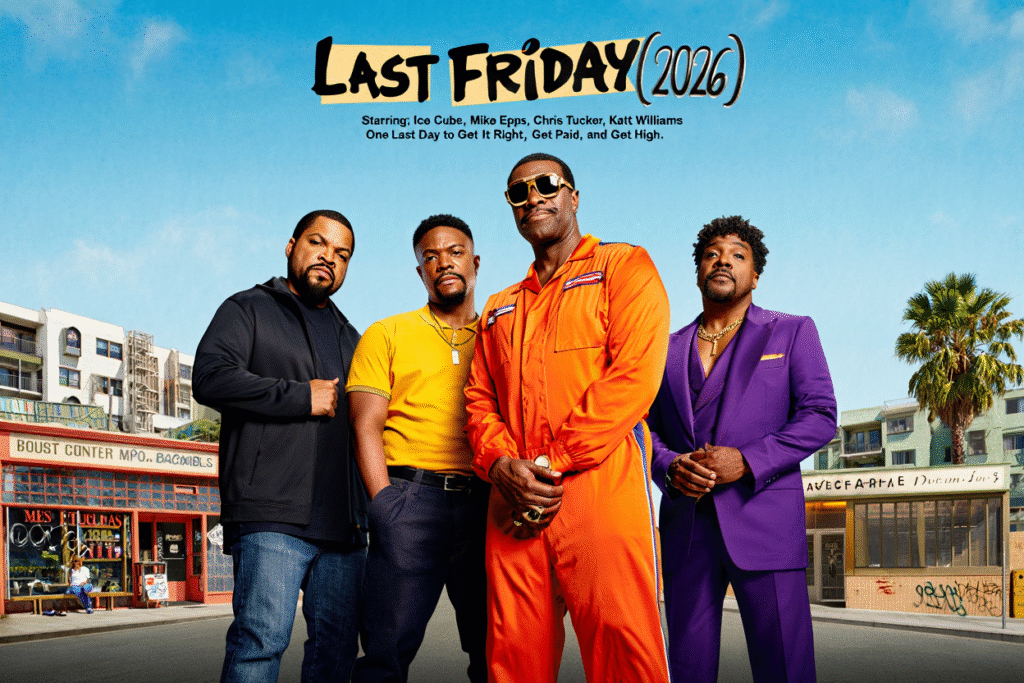
The supporting cast and neighborhood cameos add warmth and nostalgia, making the block feel alive one last time. Old faces, familiar corners, and recurring jokes reward longtime fans without alienating newer viewers. The film understands its audience and trusts them to catch the references without overexplaining.
Tonally, the movie balances comedy and sentiment better than expected. While not every joke lands, the heart always does. The laughs feel earned, and the emotional moments never overstay their welcome. It knows when to be ridiculous and when to slow down and let the weight of time settle in.
As a final chapter, Last Friday doesn’t try to reinvent the franchise—it honors it. The story isn’t about winning big; it’s about holding on, standing your ground, and showing up for your community. That message feels especially powerful given the film’s real-world context.
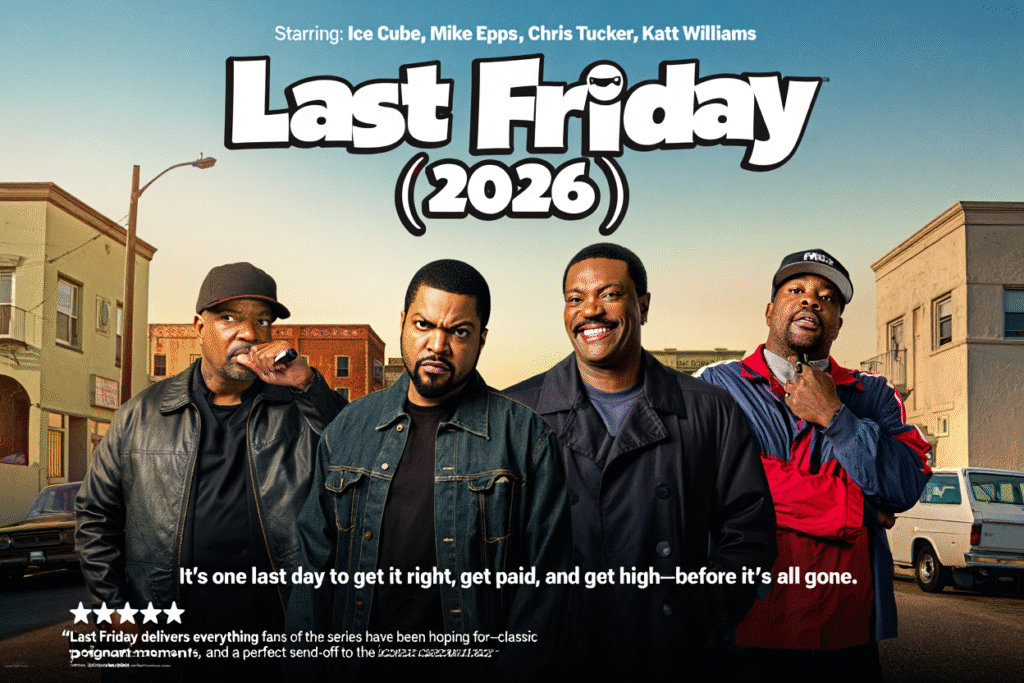
In the end, Last Friday is a proper send-off: funny, reflective, and unapologetically rooted in the culture that made it iconic. It’s a reminder that Fridays don’t last forever—but the memories, the friendships, and the neighborhood pride do. Fans won’t just laugh; they’ll feel the goodbye.