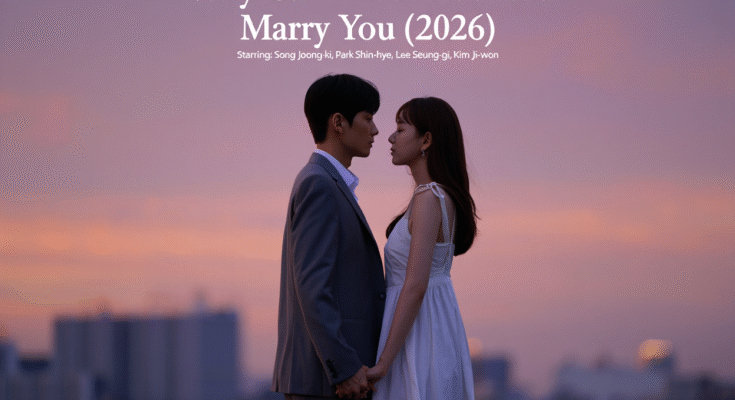
Why Can I Love But Not Marry You is a quietly devastating Korean romance that speaks directly to a generation caught between emotional truth and societal expectation. Rather than offering a sweeping fairy tale, the film chooses intimacy and realism, asking a question many couples are afraid to voice out loud: Is love enough if marriage feels impossible?
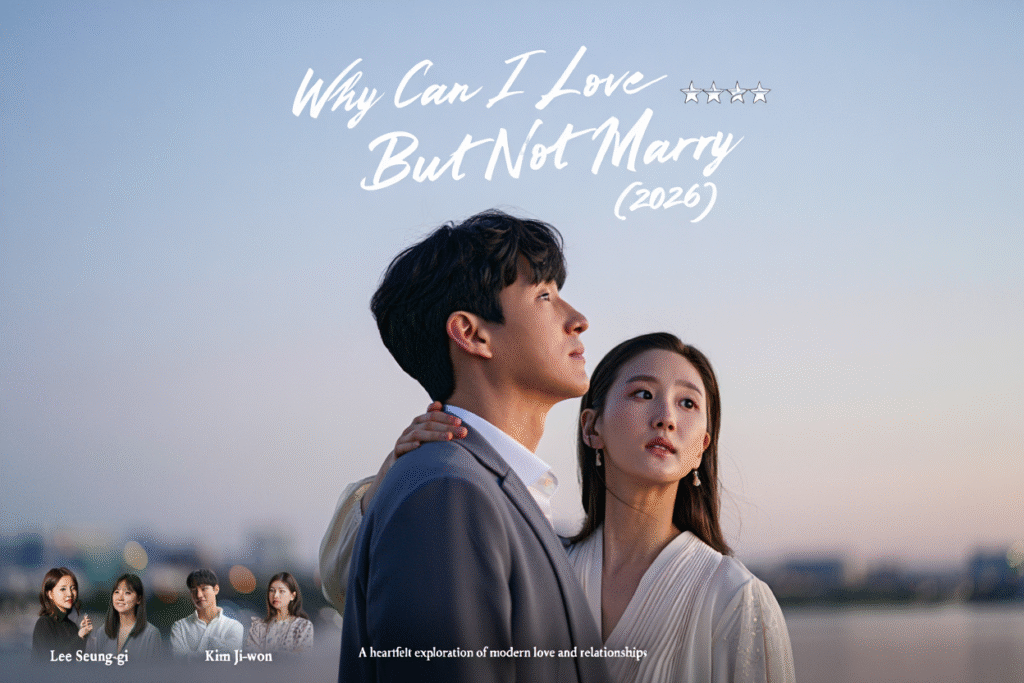
Song Joong-ki delivers one of his most restrained and emotionally complex performances as Joo Hyun, a man who loves deeply but fears permanence even more. His portrayal avoids melodrama, instead relying on subtle expressions, hesitation, and silence. Joo Hyun isn’t cold or selfish—he’s terrified, shaped by past heartbreak and the pressure to “get it right” this time.
Park Shin-hye shines as Na Eun, grounding the film with quiet strength and emotional honesty. She embodies the exhaustion of waiting, of loving someone wholeheartedly while slowly realizing that love alone may not guarantee a shared future. Her performance captures the internal conflict of a woman torn between devotion and self-respect, ambition and emotional loyalty.
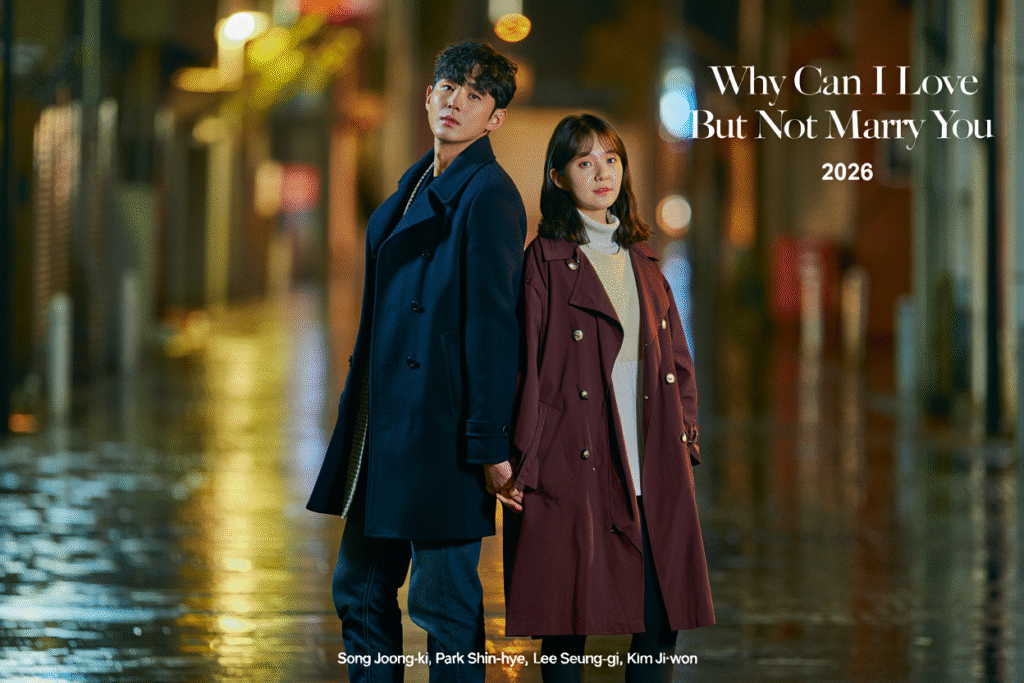
The chemistry between Song Joong-ki and Park Shin-hye is natural and lived-in, making their relationship feel deeply authentic. Their love is not explosive or dramatic—it’s familiar, tender, and painfully real. This realism makes every moment of emotional distance hurt more, because it feels earned.
What elevates the film is its refusal to villainize either perspective. Joo Hyun’s fear of marriage is not mocked, and Na Eun’s longing for commitment is never framed as weakness. Instead, the film treats both as valid emotional truths, highlighting how love can exist alongside incompatibility.
Lee Seung-gi and Kim Ji-won add meaningful depth as supporting characters who reflect alternative paths of love and choice. Their storylines subtly mirror and contrast the main couple’s struggles, reinforcing the film’s central theme: there is no single definition of a successful relationship.
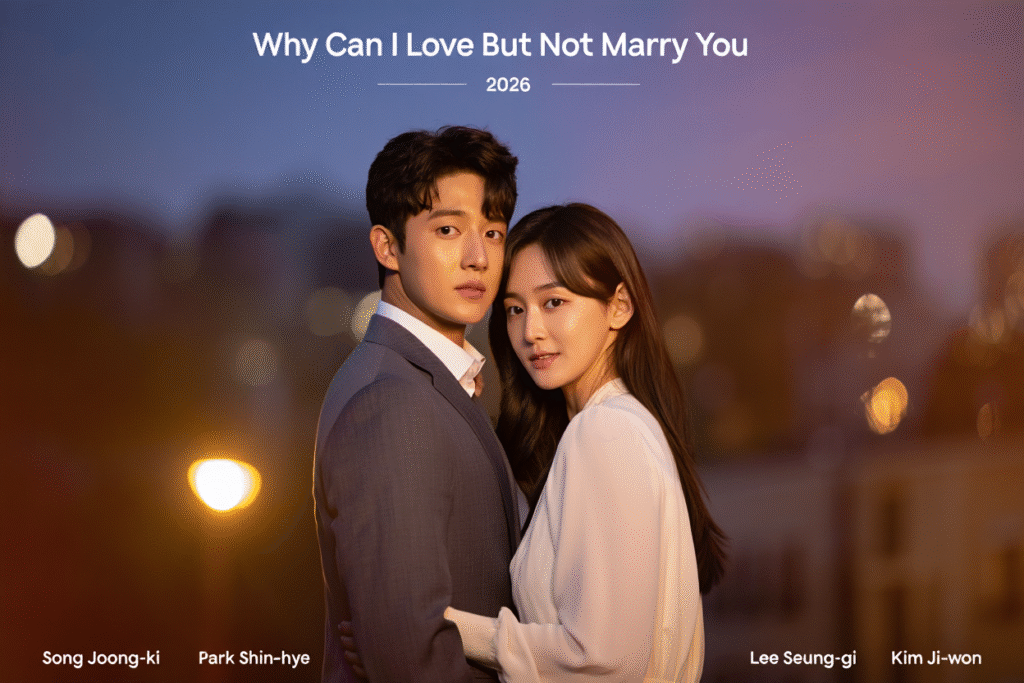
The screenplay is thoughtful and patient, allowing conversations to unfold naturally rather than rushing toward resolution. Many of the film’s most powerful moments come not from arguments, but from pauses—unfinished sentences, lingering glances, and words left unsaid.
Visually, the film adopts a soft, understated aesthetic. Muted tones and intimate framing keep the focus on the characters’ inner worlds, creating an atmosphere that feels reflective and emotionally heavy without being oppressive.
One of the film’s greatest strengths is its courage to resist a conventional romantic payoff. It understands that real love stories don’t always end with certainty, and that sometimes the most honest ending is the one that hurts the most.
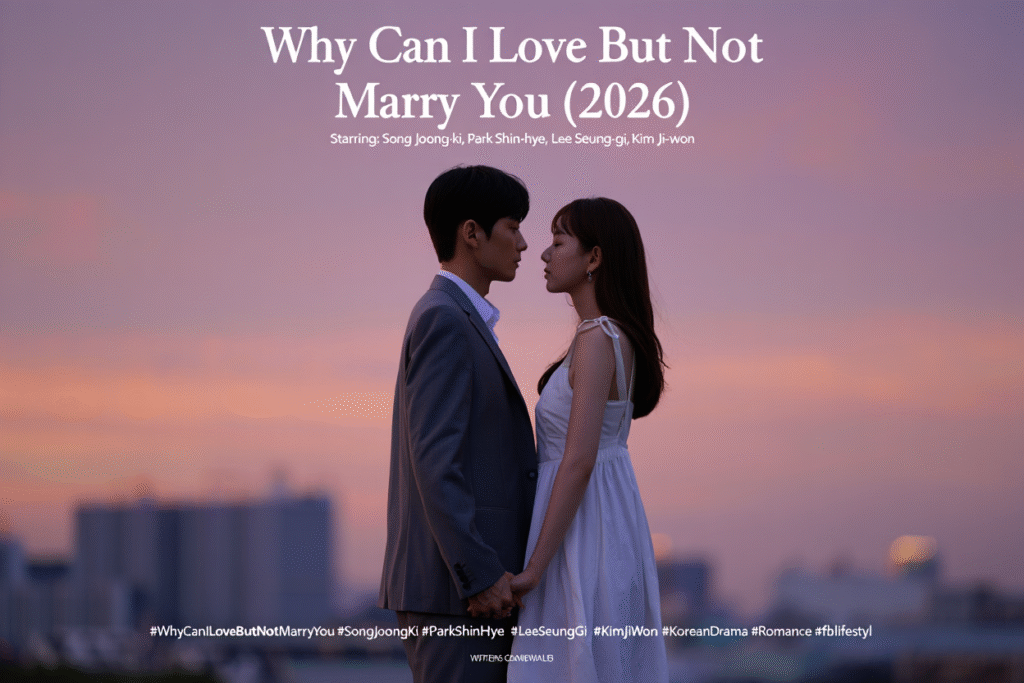
Emotionally, Why Can I Love But Not Marry You lingers long after the credits roll. It doesn’t tell the audience what to think—it asks them to reflect on their own definitions of love, commitment, and happiness.
In the end, this is not a story about choosing love over marriage or marriage over love—it’s about choosing honesty over fear. Tender, mature, and deeply human, Why Can I Love But Not Marry You (2026) is a poignant reminder that loving someone doesn’t always mean being able to walk the same road together.