
Virgin River: Season 7 arrives with the quiet confidence of a series that fully understands its emotional core. Rather than reinventing itself, the show leans into what it does best: intimate storytelling, deeply human struggles, and the comforting yet fragile sense of community that has defined Virgin River from the very beginning. This season feels less like a new chapter and more like a deepening of old wounds and long-held hopes.

At the heart of the season is Mel Monroe, portrayed with continued warmth and emotional nuance by Alexandra Breckenridge. Motherhood has reshaped Mel, adding layers of exhaustion, fear, and fierce devotion to a character already defined by empathy. Season 7 doesn’t romanticize parenthood—it shows the quiet panic, the sleepless nights, and the identity shifts that come with building a family while still carrying unresolved grief.
Martin Henderson’s Jack Sheridan remains the emotional anchor of the series, but this season challenges him in subtler, more internal ways. Jack is no longer fighting just external demons; he’s grappling with the pressure of being a partner, a father, and a protector all at once. His struggle isn’t explosive—it’s slow, heavy, and deeply relatable, making his arc one of the season’s most grounded and affecting.

What Season 7 does exceptionally well is portray how love evolves under pressure. Mel and Jack’s relationship is tested not by dramatic betrayals, but by miscommunication, exhaustion, and the fear of losing what they’ve worked so hard to build. Their bond feels lived-in, imperfect, and real, reflecting a maturity rarely sustained this far into a long-running series.
Tim Matheson and Annette O’Toole once again deliver quietly powerful performances as Doc and Hope. Their storyline is among the most emotionally resonant of the season, confronting aging, vulnerability, and the terrifying reality of health uncertainty. Yet, even in their darkest moments, the show allows space for humor, tenderness, and the kind of love that has survived decades of storms.
Virgin River itself continues to function as more than a setting—it’s a living, breathing character. The town is changing, growing, and occasionally resisting that growth. Season 7 explores the tension between preservation and progress, asking whether holding on too tightly to the past can sometimes prevent healing rather than protect it.

The supporting characters are woven seamlessly into the narrative, each carrying their own burdens and quiet triumphs. Their stories intersect naturally, reinforcing the show’s central belief that healing is communal, not solitary. In Virgin River, no pain exists in isolation, and no joy goes unshared for long.
Tonally, Season 7 is more reflective than dramatic, favoring emotional weight over shock value. The pacing is deliberate, allowing moments to breathe and conversations to linger. This slower rhythm may surprise some viewers, but it ultimately strengthens the season’s emotional authenticity.
Visually, the series remains stunning. The sweeping landscapes and soft, natural lighting mirror the characters’ internal states—beautiful, fragile, and often hiding emotional turbulence beneath serene surfaces. Nature once again serves as both comfort and contrast to human struggle.
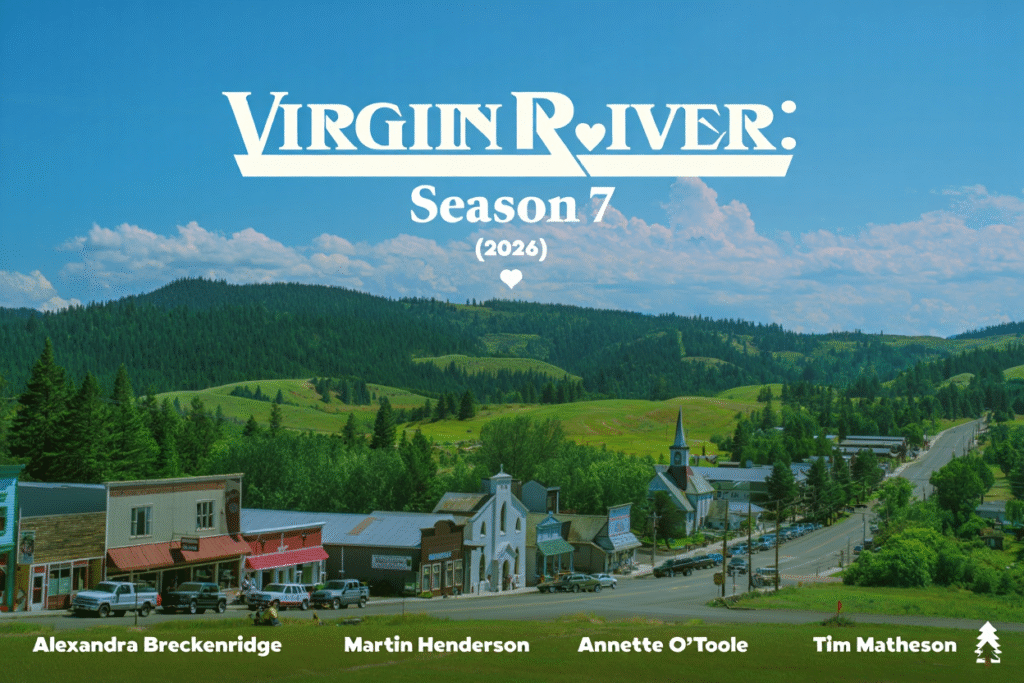
What makes Virgin River: Season 7 particularly compelling is its honesty. It acknowledges that love doesn’t solve everything, that healing isn’t linear, and that happiness often coexists with fear. The show refuses easy answers, instead offering reassurance through connection and resilience.
In the end, Virgin River: Season 7 is a gentle yet powerful reminder that life’s most meaningful battles are fought quietly—with patience, forgiveness, and the courage to keep choosing one another. It doesn’t shout for attention; it earns it, episode by episode, heartbeat by heartbeat. For longtime fans, this season feels like coming home—changed, weathered, but still full of hope. ⭐⭐⭐⭐½