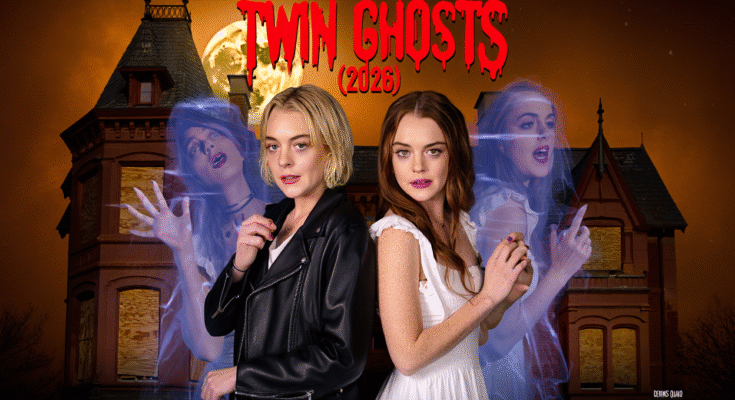
The Twin Ghosts (2026) is a playful return to family-friendly supernatural comedy, blending spooky antics with heartfelt humor in a way that feels refreshingly nostalgic. Clearly inspired by early-2000s Disney-style charm, the film embraces its silliness without apology, delivering laughs, light scares, and a comforting message about family and identity.
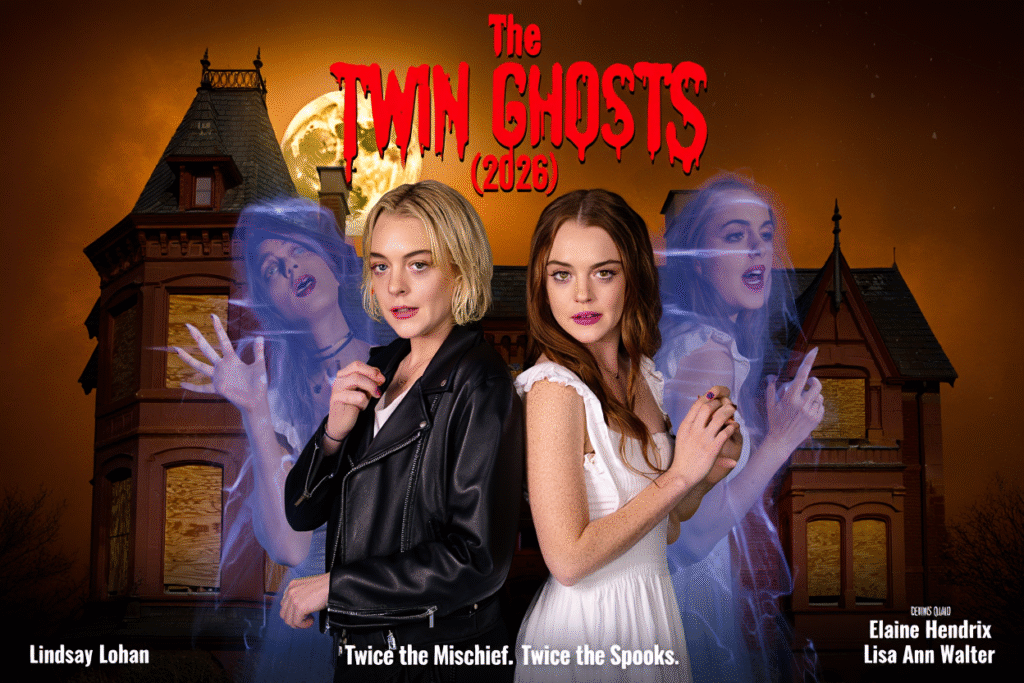
Lindsay Lohan shines in a demanding dual performance, portraying not only the living twins Tess and Taylor, but also their mischievous ghostly counterparts. Each version feels distinct in voice, body language, and personality, reminding audiences why Lohan was once the queen of double-role comedies. Her comedic timing is sharp, and she balances slapstick humor with emotional sincerity surprisingly well.
Tess and Taylor are written as classic opposites—one practical and cautious, the other bold and impulsive—which gives the story its emotional core. Their strained relationship becomes the perfect mirror to the ghost twins, whose unresolved past reflects what the sisters could become if they fail to reconcile. It’s a clever narrative parallel that adds depth beneath the comedy.
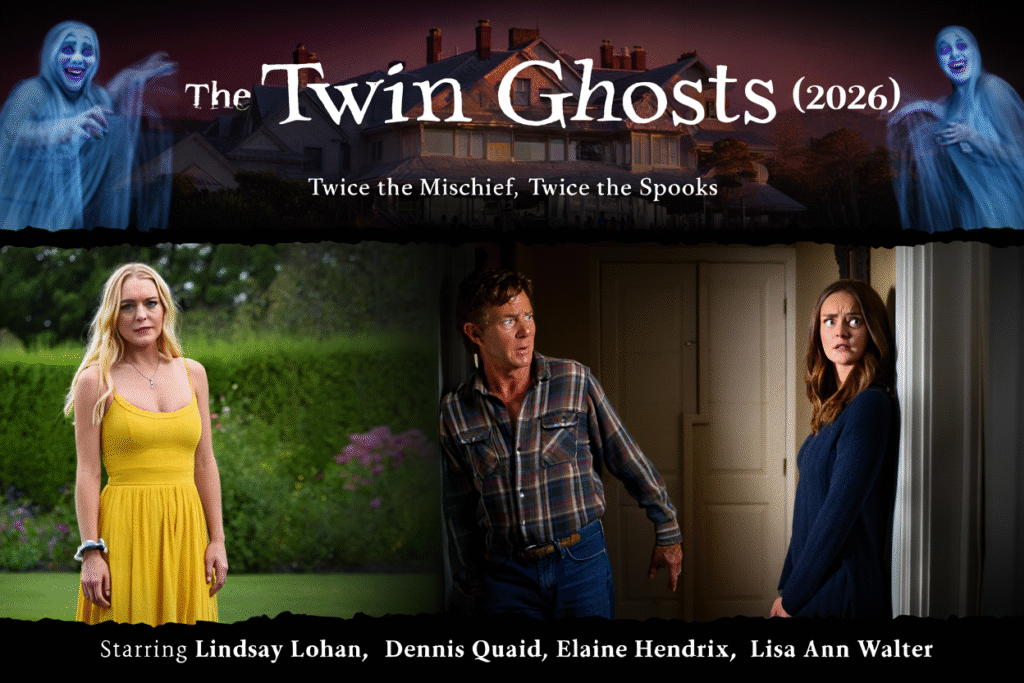
Dennis Quaid brings warmth and steady humor as the well-meaning but perpetually confused father. Rather than playing him as clueless comic fodder, the film gives him emotional grounding, making him the heart of the family amid the supernatural chaos. His reactions to the haunting are understated but effective, often anchoring the film’s wild moments.
The haunted mansion itself is a standout character. With creaking staircases, hidden passageways, and rooms that seem to rearrange themselves, the setting leans into classic haunted-house imagery without becoming genuinely frightening. The production design strikes a perfect balance between spooky and cozy, making it ideal for younger audiences.
Elaine Hendrix’s ghost-hunting aunt is a delightful nod to genre tropes, equal parts dramatic and delusional. She steals scenes with exaggerated seriousness, treating every flickering light like a demonic omen. Lisa Ann Walter, as the skeptical housekeeper, provides some of the film’s biggest laughs, especially as her logical explanations become increasingly impossible to maintain.
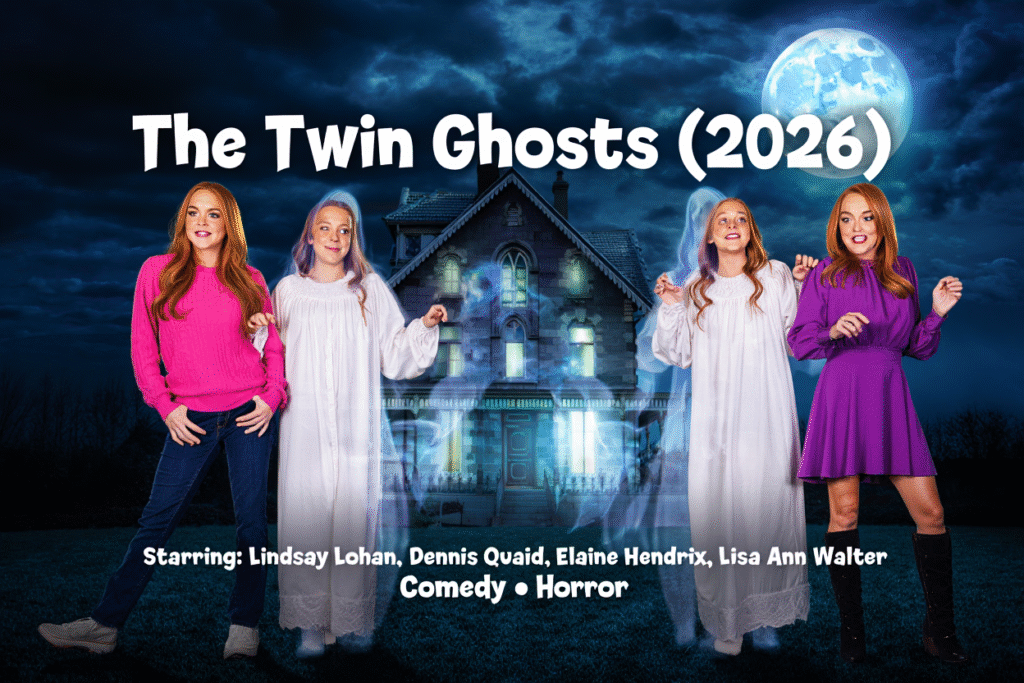
The ghost twins are mischievous rather than malicious, relying on pranks, jump scares, and playful chaos instead of horror. This choice keeps the tone light and inclusive, making the film more about curiosity and wonder than fear. The comedy leans heavily on physical gags, visual effects, and timing rather than sarcasm or cruelty.
Emotionally, The Twin Ghosts surprises with its sincerity. Beneath the flying furniture and spooky hijinks is a story about unfinished business, sibling rivalry, and learning to let go. The film gently introduces themes of loss and forgiveness without overwhelming its younger audience.
While the plot follows familiar beats and never strays far from predictability, that familiarity works in its favor. This is comfort cinema—something designed to be watched with family, laughed at together, and remembered fondly rather than dissected critically.
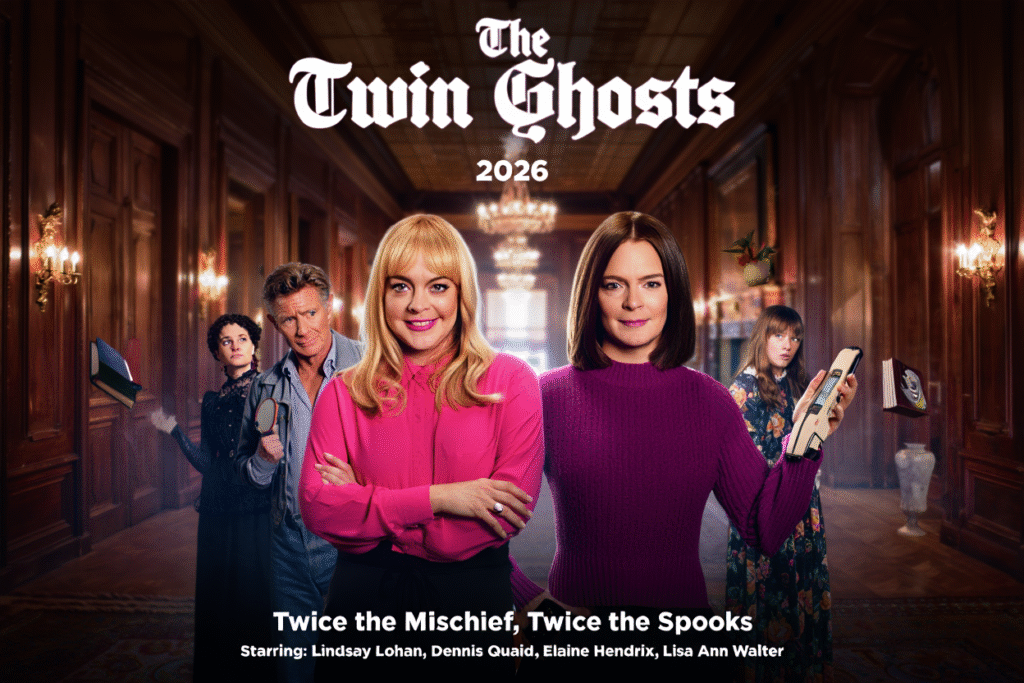
In the end, The Twin Ghosts (2026) succeeds by knowing exactly what it wants to be: a charming, spooky-funny family film with heart. It doesn’t try to reinvent the genre, but it revives it with warmth, humor, and a confident Lindsay Lohan at its center. Sometimes, a little ghostly chaos is exactly what makes a house feel like home. ⭐