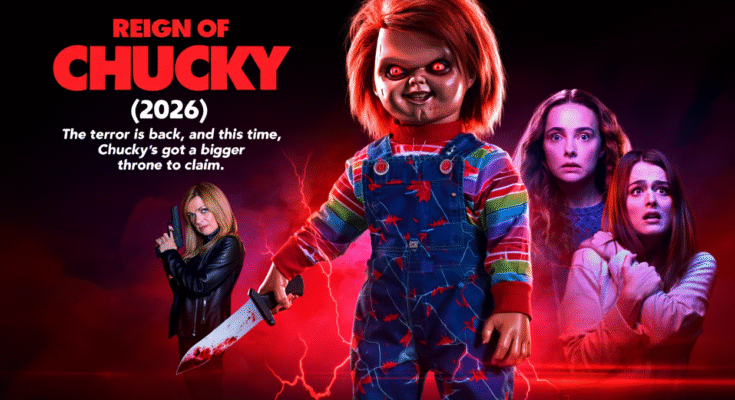
Reign of Chucky marks a bold, unapologetic escalation for one of horror’s most enduring icons. This isn’t a return to basics, nor a self-aware parody of past glories. Instead, the film asks a dangerous question: what happens when Chucky stops surviving and starts conquering? The answer is darker, meaner, and far more ambitious than anything the franchise has attempted before.
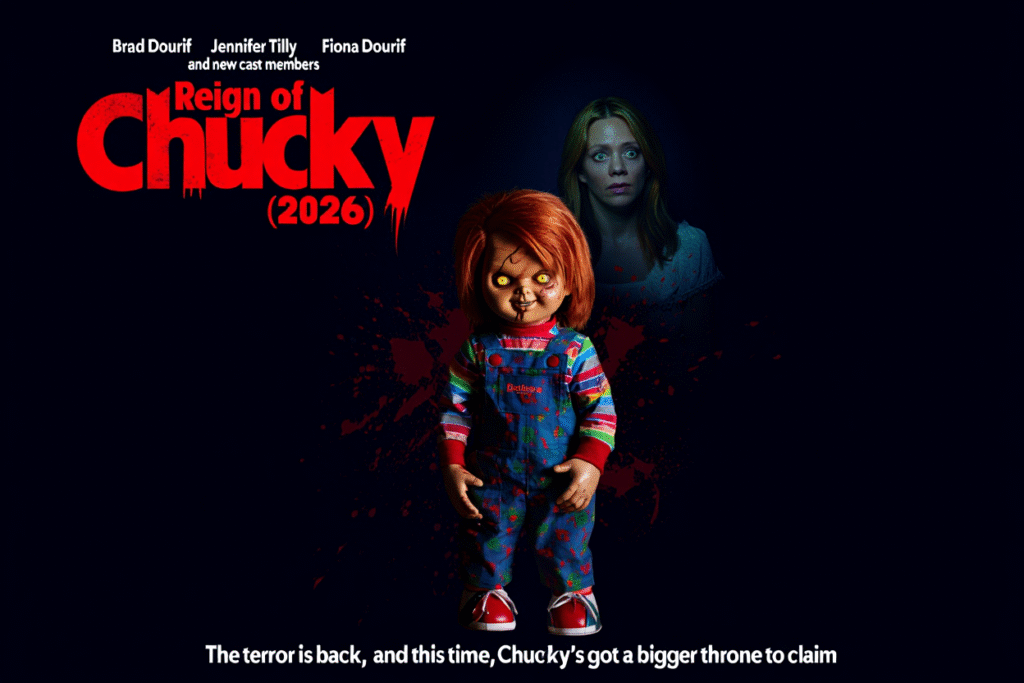
Brad Dourif’s voice performance remains the franchise’s beating, profane heart. There’s a chilling confidence in this version of Chucky—less manic scrambling, more calculated dominance. His humor hasn’t softened, but it’s sharpened, delivered with the smug certainty of someone who knows he’s no longer just a killer, but an idea people fear and follow.
Jennifer Tilly’s Tiffany is no longer just a chaotic accomplice; she’s a queen consort with her own agenda. Tilly balances camp and cruelty with remarkable control, making Tiffany feel dangerous in a quieter, more manipulative way. Their relationship has evolved from toxic romance into a warped power alliance, where love and betrayal coexist in every glance.
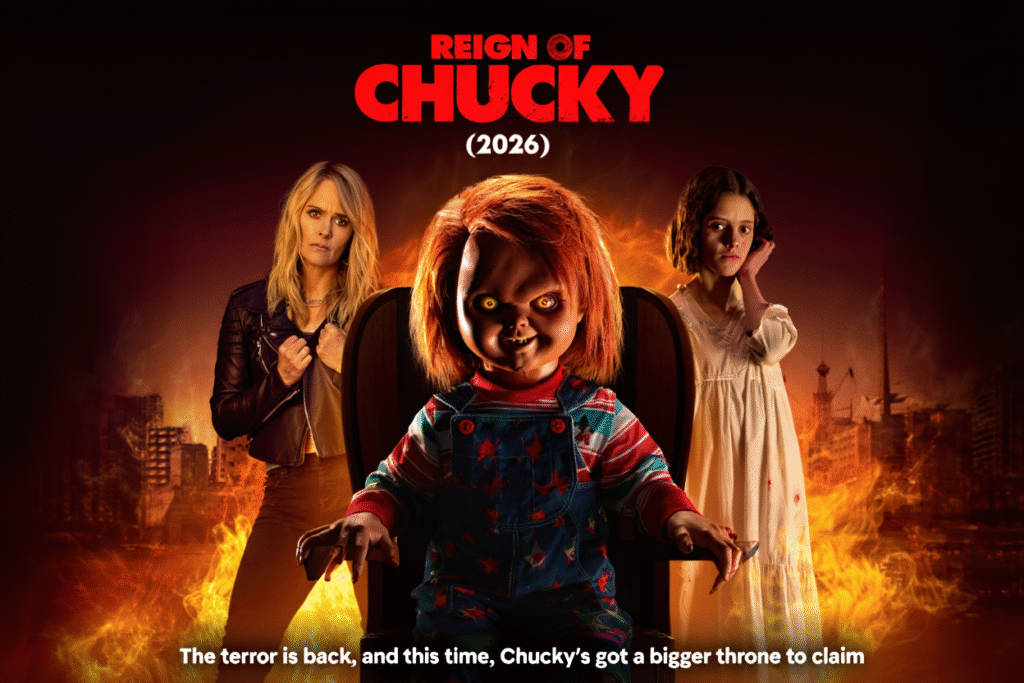
Fiona Dourif’s Nica continues to be the emotional backbone of the modern Chucky era. Her performance is raw, exhausted, and deeply human. Years of possession, trauma, and survival have hardened her, yet the film never robs her of vulnerability. Nica isn’t just fighting Chucky—she’s fighting the erosion of her own identity.
The most unsettling addition is Chucky’s cult. Rather than mindless followers, these worshippers believe in him as a symbol of freedom through violence. It’s a clever and uncomfortable evolution, turning Chucky from a lone slasher into a charismatic figurehead. The horror here isn’t just physical—it’s ideological.
Tonally, Reign of Chucky leans into nihilism without abandoning the franchise’s signature bite. The humor is still present, but it’s darker, more venomous, often surfacing at moments that make you uneasy for laughing. This is a film that knows exactly how cruel it wants to be.
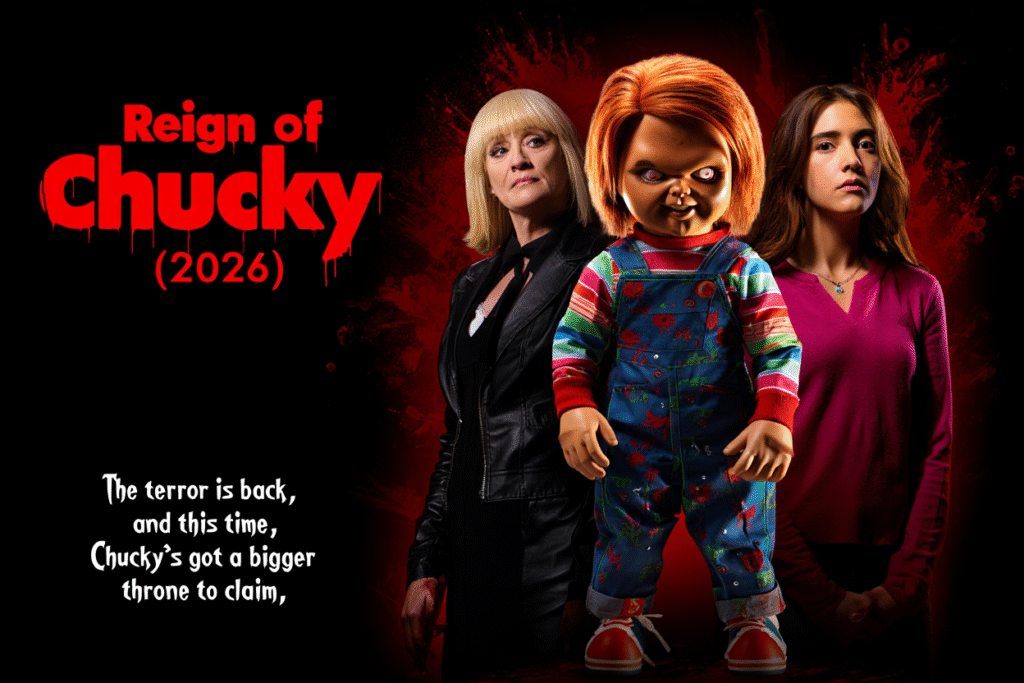
Visually, the movie embraces shadow, grime, and decay. Urban settings feel claustrophobic and rotten, reinforcing the sense that Chucky’s influence is spreading unchecked. Practical effects remain a highlight, grounding the insanity in something tactile and disturbingly real.
What makes this installment stand out is its thematic ambition. Chucky’s blurred line between doll and man mirrors his growing control over others—he no longer needs a single body when fear itself becomes his vessel. Power, not survival, is his true obsession now.
The pacing is relentless, occasionally overwhelming, but intentionally so. There’s little room to breathe, mirroring the characters’ own lack of escape. Violence escalates not just in quantity, but in intent—every kill serves the idea of building a reign.
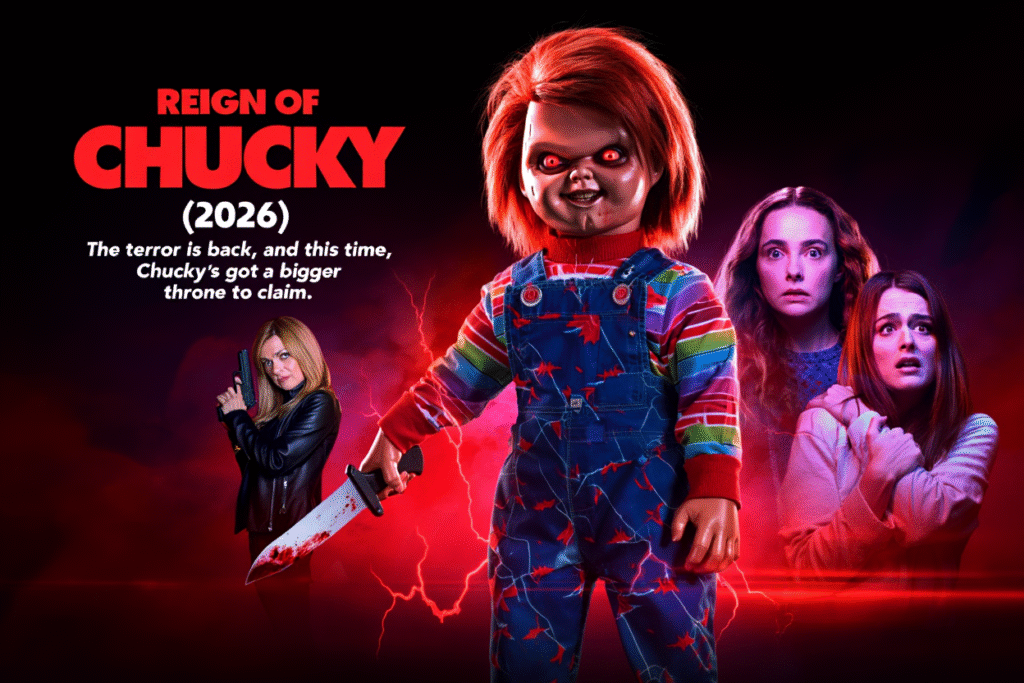
The final act refuses easy catharsis. Instead of closure, it delivers consequence. Victories feel temporary, losses permanent. The film ends not with triumph, but with dread—the sense that something irreversible has begun.
Reign of Chucky doesn’t just extend the franchise; it mutates it. By transforming a killer doll into a symbol of corruption and control, the film proves Chucky still has new nightmares to offer. The throne is built, the crown is bloody, and the reign has only just begun.