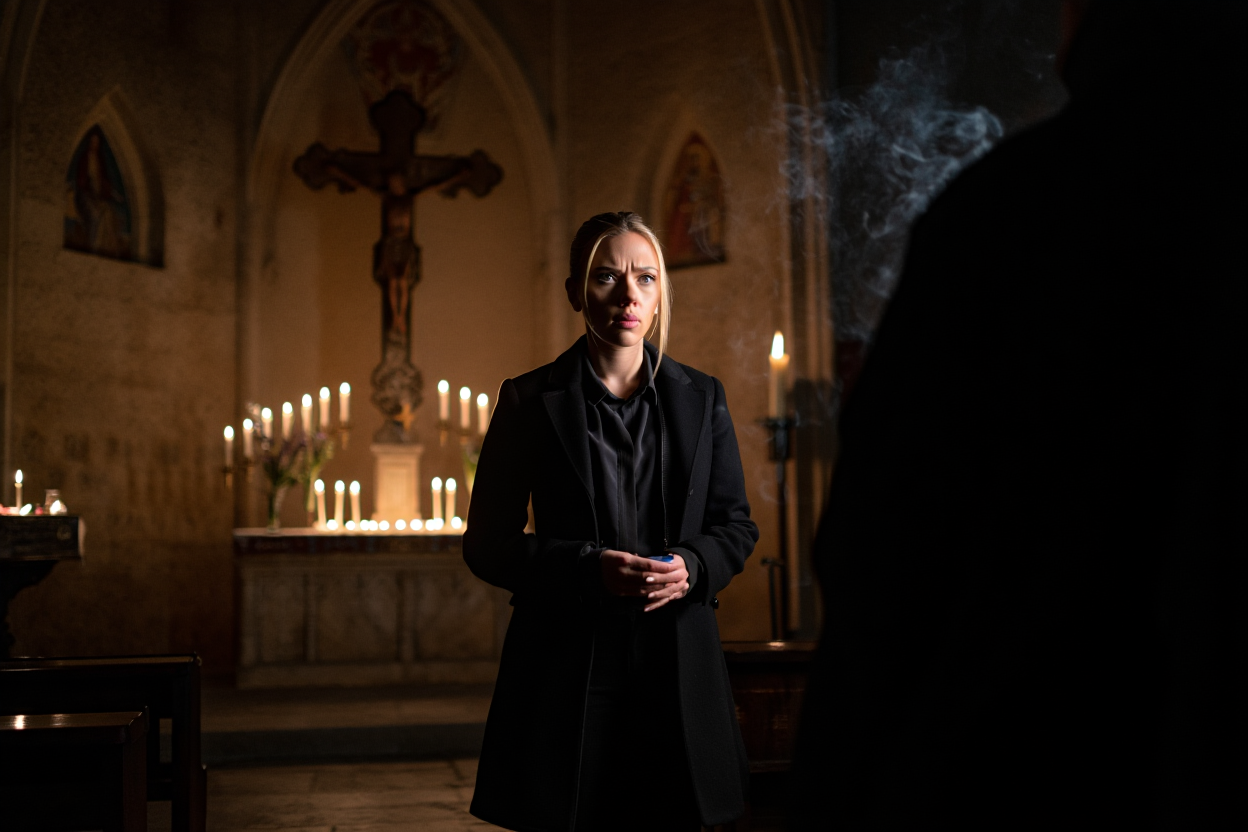
Some horror titles carry more than recognition — they carry weight. The Exorcist is one of those rare names that changed the genre forever, not through spectacle alone, but through dread, faith, and the terrifying suggestion that evil can enter the most intimate corners of life. Its official return with a new chapter starring Scarlett Johansson immediately signals ambition: this is not just another possession film, but an attempt to revive one of horror’s most sacred legacies.
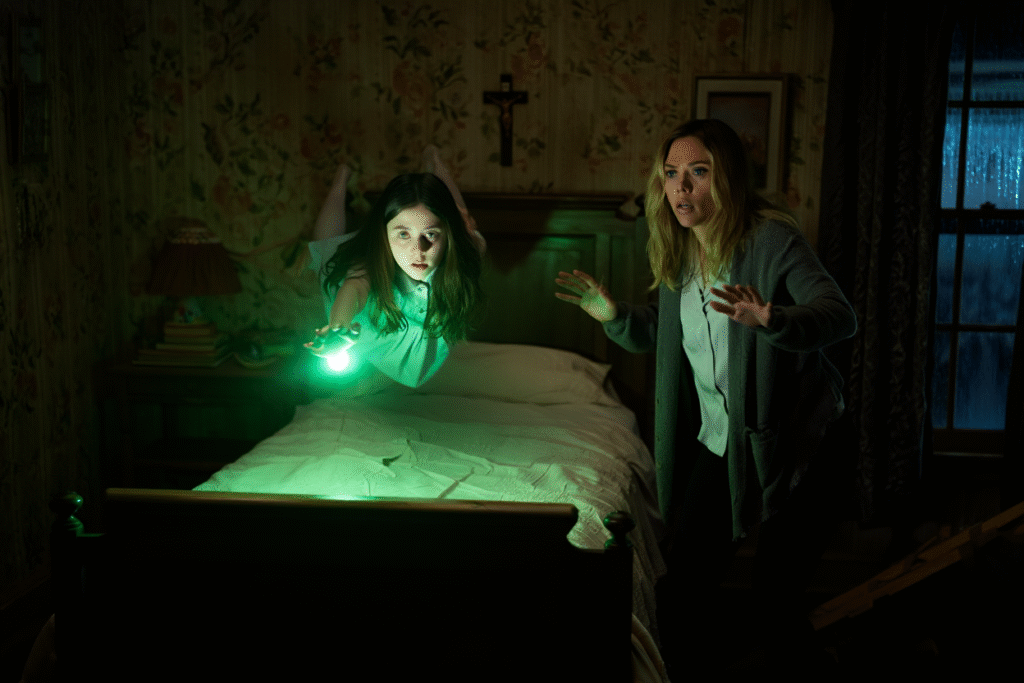
What makes this new installment intriguing is its promise of a darker, more psychological edge. The original worked because it wasn’t simply about demonic force; it was about helplessness, crisis of belief, and the collapse of certainty. A modern reinterpretation has the chance to explore those same fears through contemporary anxieties — mental instability, distrust of institutions, fractured families, and the loneliness of suffering no one can explain.
Scarlett Johansson’s casting suggests a more emotionally grounded center than many genre revivals attempt. She has the screen presence to carry intensity without overplaying it, making her an ideal lead for a story built on escalating dread. Rather than portraying a conventional action-driven heroine, she seems poised to embody someone forced into a battle where intelligence, resolve, and emotional endurance matter more than physical strength.
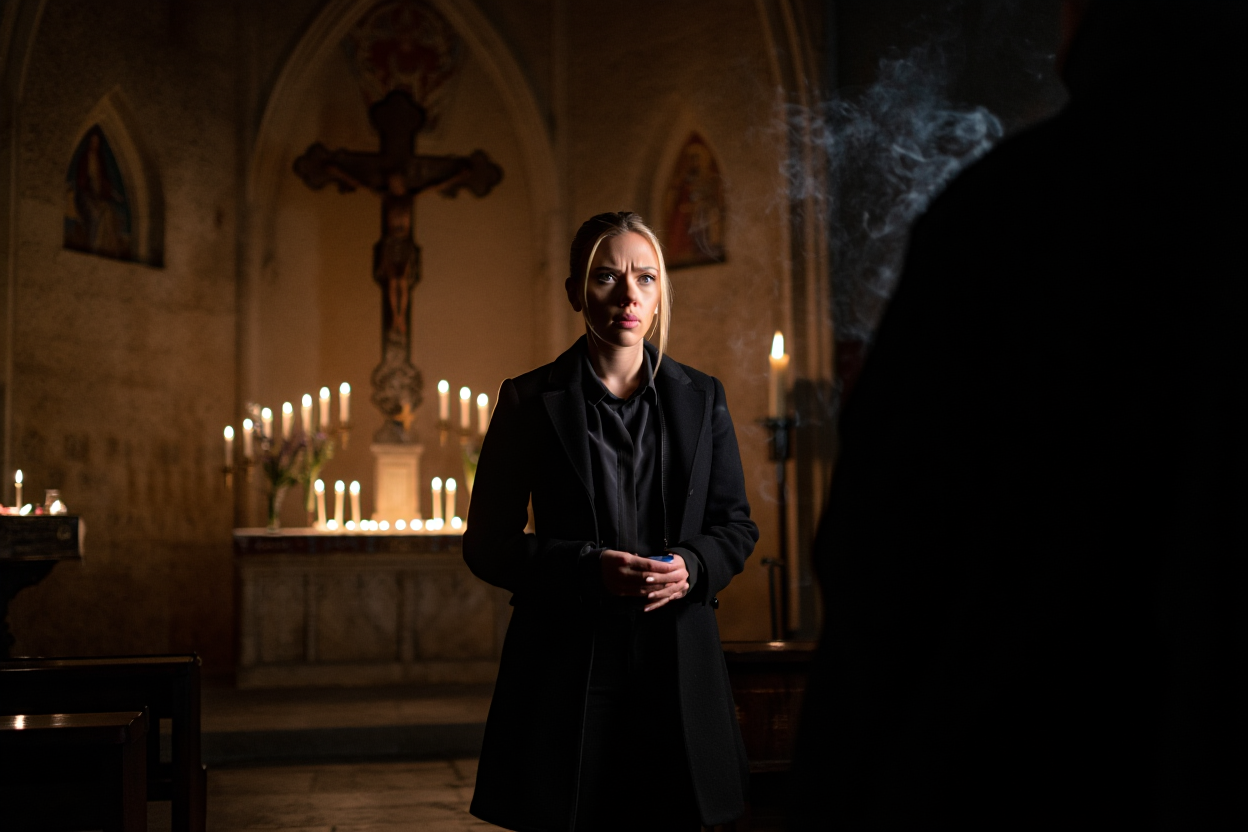
The setup — unexplained behavior spiraling into something far more sinister — remains timeless because it strikes at universal fear. The terror of possession has always come from transformation: a loved one becoming unreachable, familiar gestures turning alien, reason failing in the face of something impossible. When reality itself becomes unreliable, horror deepens.
A modern Exorcist should understand that the most frightening moments are often quiet ones. A look held too long. A voice that sounds almost normal. A room that feels wrong before anything happens. If this chapter embraces atmosphere over noise, it could reclaim the suffocating tension that many imitators miss.
The mention of belief colliding with fear is especially important. The Exorcist has never merely been about demons — it has been about faith under assault. Not just religious faith, but trust in medicine, family, logic, and one’s own senses. A contemporary version can broaden that conflict, showing how people respond when every framework they rely on begins to fail.

Johansson’s role may become the emotional engine of the film if it leans into sacrifice and vulnerability rather than invincibility. Horror resonates most when characters cannot simply overpower the threat. They must endure it, confront themselves, and choose what they are willing to lose to stop it.
Visually, the opportunity is enormous. Rather than relying on excessive effects, the film could draw terror from restraint — dim interiors, invasive sound design, subtle distortions, and moments where the audience questions what is real alongside the characters. Psychological horror thrives in uncertainty.
There is also the challenge of legacy. To invoke The Exorcist is to invite comparison with one of cinema’s most revered nightmares. The smartest path forward is not imitation, but reinterpretation: honoring the original’s seriousness and emotional gravity while speaking to fears unique to the present day.
If successful, this chapter could restore something many modern horror franchises lose over time: consequence. Possession should feel devastating, not gimmicky. Evil should feel ancient, patient, and deeply personal. Survival should come at a cost.