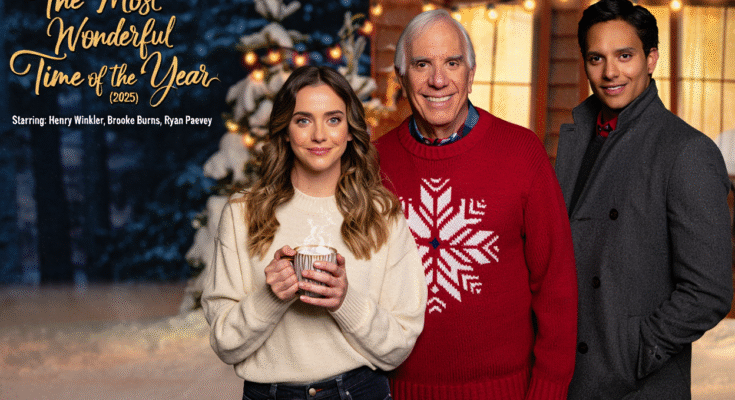
The Most Wonderful Time of the Year settles comfortably into the tradition of classic holiday romances, choosing warmth and sincerity over big twists or spectacle. It’s the kind of film that doesn’t rush to impress—it invites you in, pours a cup of cocoa, and lets the emotions unfold at their own pace. From its snow-dusted setting to its soft musical cues, the movie understands exactly what its audience is looking for during the holidays.
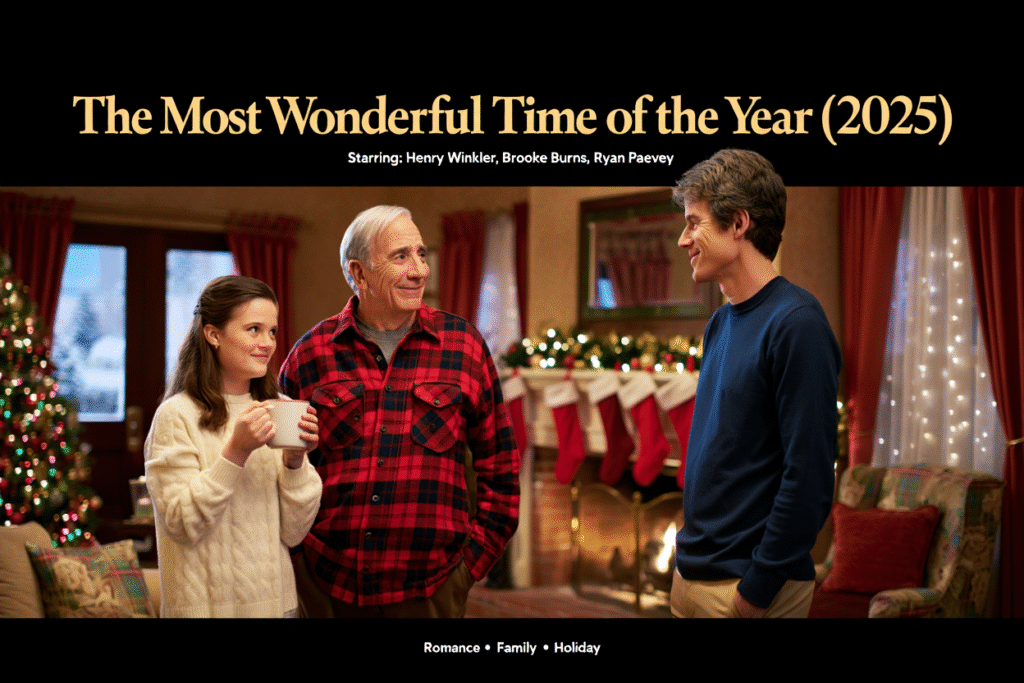
Brooke Burns delivers a grounded, relatable performance as the overworked single mother whose life has become defined by responsibility rather than joy. Her character feels emotionally closed off without being cold, and Burns plays that balance well. You believe that this is someone who once loved Christmas deeply, but somewhere along the way, survival replaced celebration. Her arc is familiar, yet handled with enough care to feel genuine.
Henry Winkler is the film’s emotional anchor. As the cheerful, gently meddling father, he brings an effortless warmth that elevates every scene he’s in. Winkler has a rare ability to make wisdom feel earned rather than preachy, and his performance adds generational depth to the story. His character isn’t just comic relief—he’s a quiet reminder of time passing, traditions fading, and the importance of holding on to what matters.
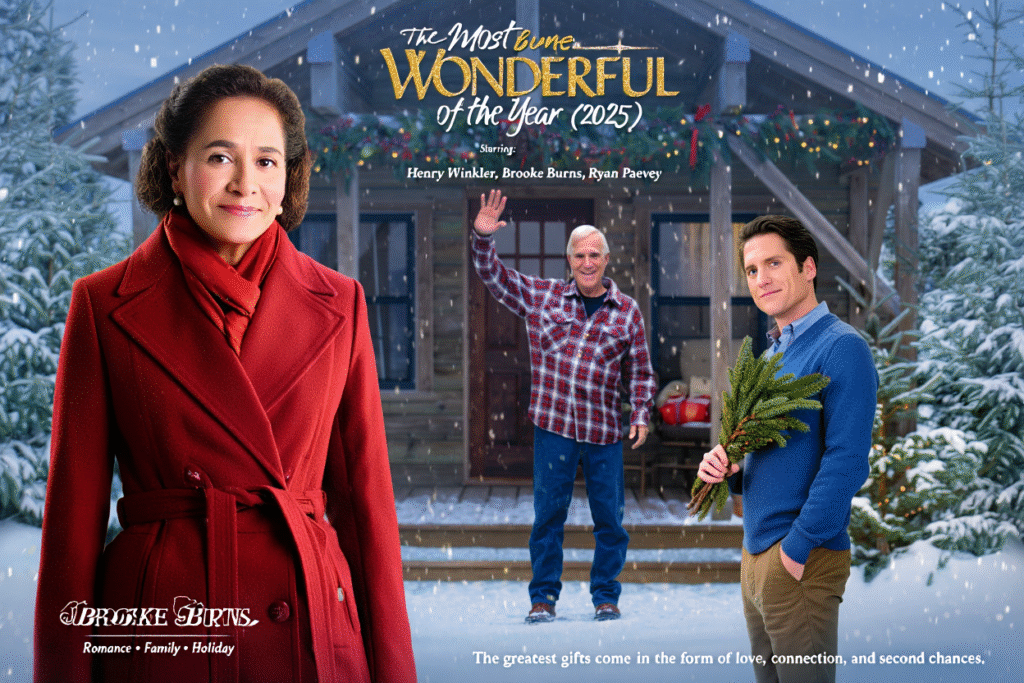
Ryan Paevey steps into the role of the unexpected guest with his trademark charm, but what works here is his restraint. Rather than playing the overly perfect romantic lead, he brings a calm optimism that contrasts nicely with Brooke Burns’ guarded energy. Their chemistry is subtle, built through shared memories, quiet conversations, and moments that feel lived-in rather than scripted.
The film’s greatest strength lies in its depiction of family dynamics. The conversations feel natural, sometimes awkward, sometimes tender, mirroring the way real families reconnect during the holidays. Old misunderstandings aren’t resolved instantly, and forgiveness comes in small, believable steps, which makes the emotional payoff more satisfying.
Visually, the movie leans into cozy familiarity: glowing Christmas lights, snow-covered streets, and warmly lit interiors that feel like memory rather than realism. It’s not flashy, but it’s effective—creating a setting that feels timeless and safe, exactly where this story belongs.
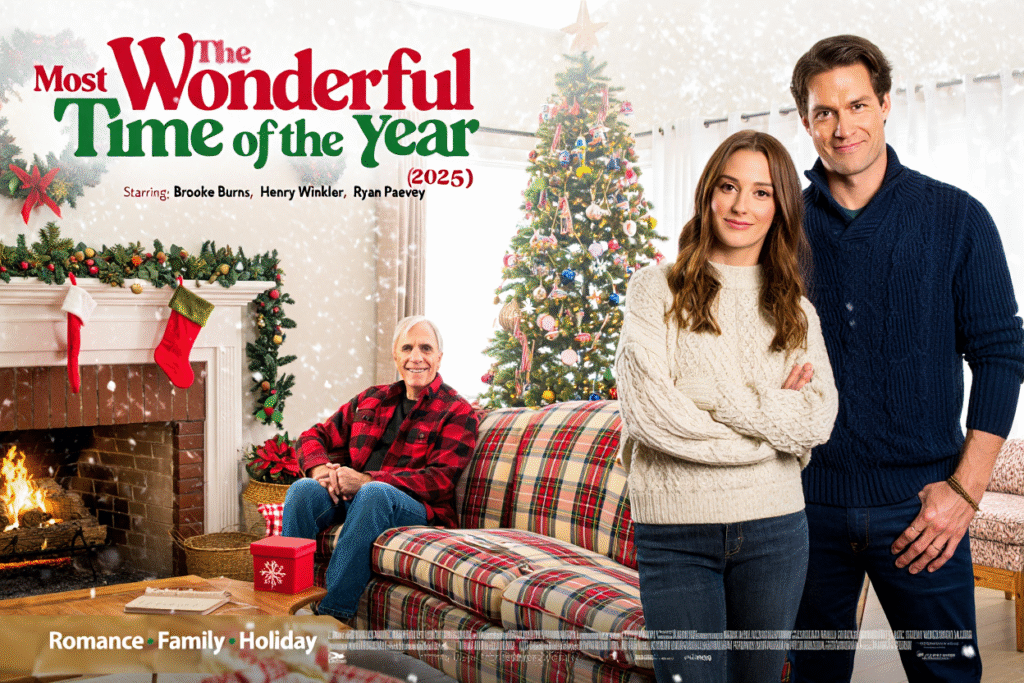
What sets The Most Wonderful Time of the Year apart from more formulaic holiday films is its emphasis on second chances beyond romance. Love is important, but so is reconciliation, presence, and the choice to slow down. The film quietly suggests that Christmas magic isn’t something you stumble upon—it’s something you allow back into your life.
The pacing is gentle, occasionally predictable, but intentionally so. This isn’t a movie meant to surprise you; it’s meant to reassure you. It understands the comfort-movie formula and embraces it without irony or embarrassment.
By the final act, the film earns its emotional resolution not through grand gestures, but through simple honesty. It leaves you with the feeling that while life may move fast and change constantly, there will always be moments—especially at Christmas—where coming home can still mean something.
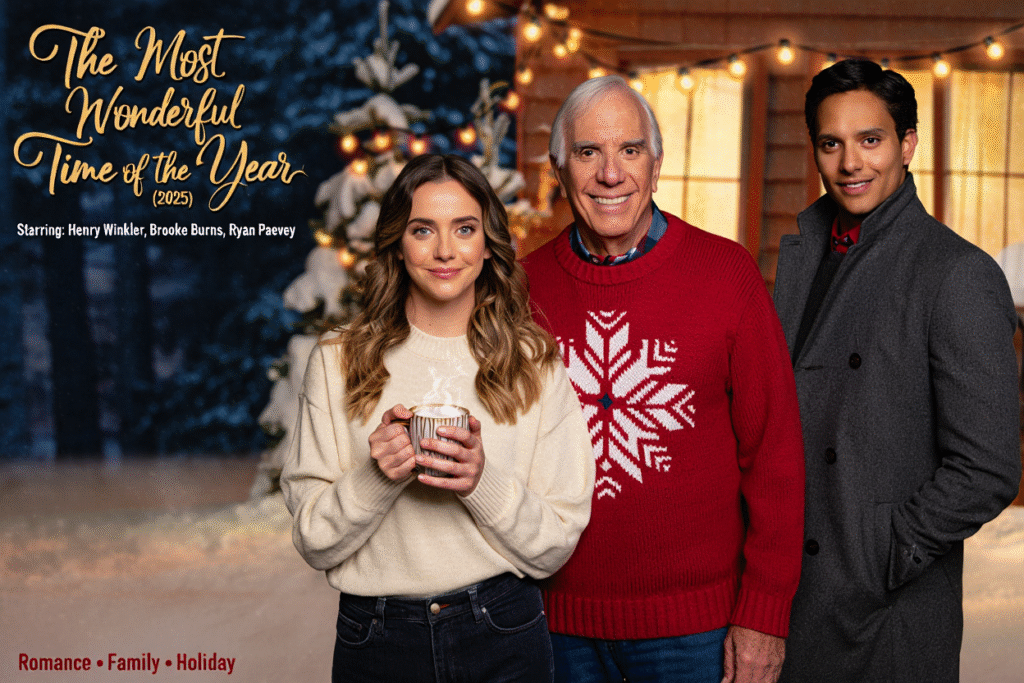
⭐ Overall Verdict: The Most Wonderful Time of the Year is a soft, heartfelt holiday romance that succeeds by being sincere. Anchored by strong performances and a comforting message, it’s a perfect choice for viewers who believe the best Christmas movies aren’t about spectacle—but about connection.