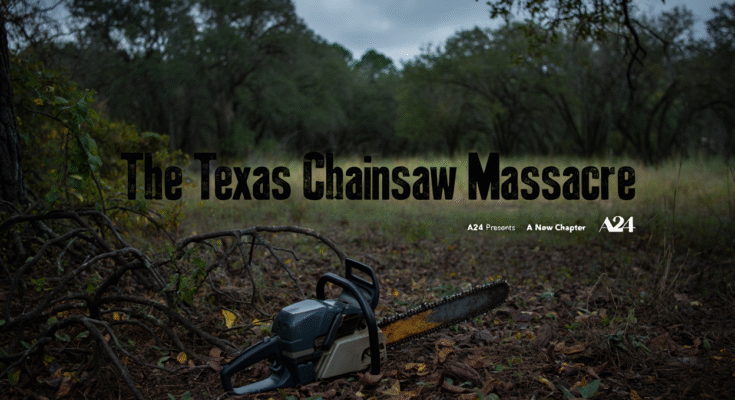
The idea of The Texas Chainsaw Massacre entering the A24 universe feels less like a reboot and more like a tonal rebirth. This isn’t about revving the chainsaw louder or upping the body count — it’s about making the silence between screams unbearable. A24’s acquisition signals a deliberate shift away from exploitation and toward something colder, slower, and far more unsettling.
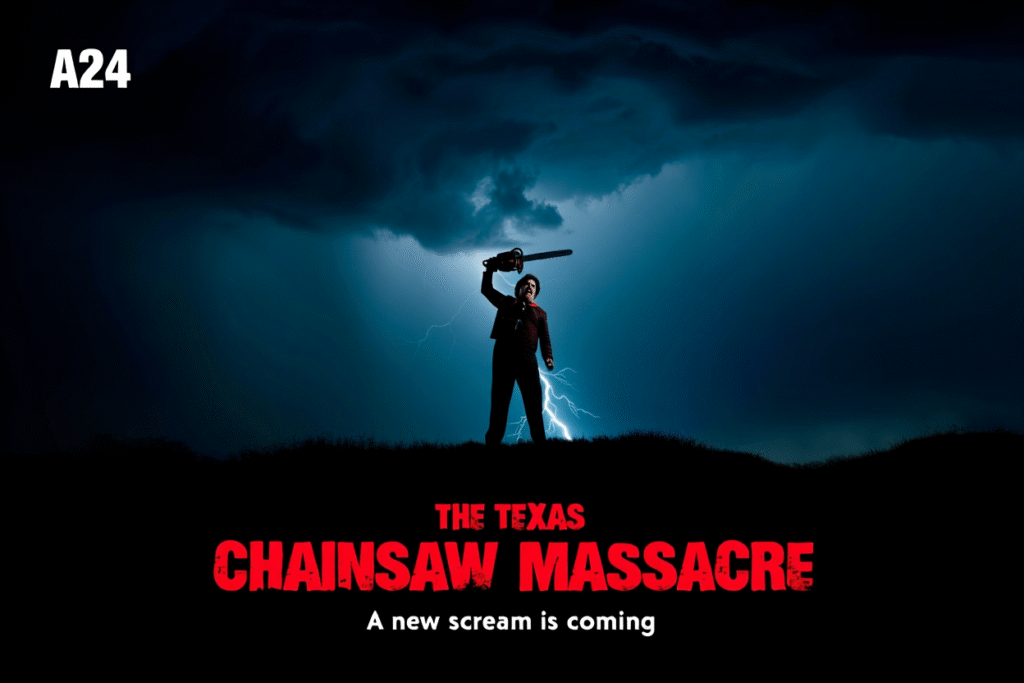
From the moment the announcement dropped, it became clear this version of Leatherface will not exist merely as a slasher icon. In the A24 realm, monsters are rarely just monsters — they are symptoms. Trauma, isolation, poverty, and inherited violence are likely to become the true engines of terror, with the chainsaw serving as punctuation rather than spectacle.
Launching the reboot as a TV series is a bold and intelligent move. Long-form storytelling allows the Texas landscape to breathe, rot, and suffocate its characters over time. Rural horror works best when it feels inescapable, and a series format can explore how fear embeds itself into a community, not just a final girl.
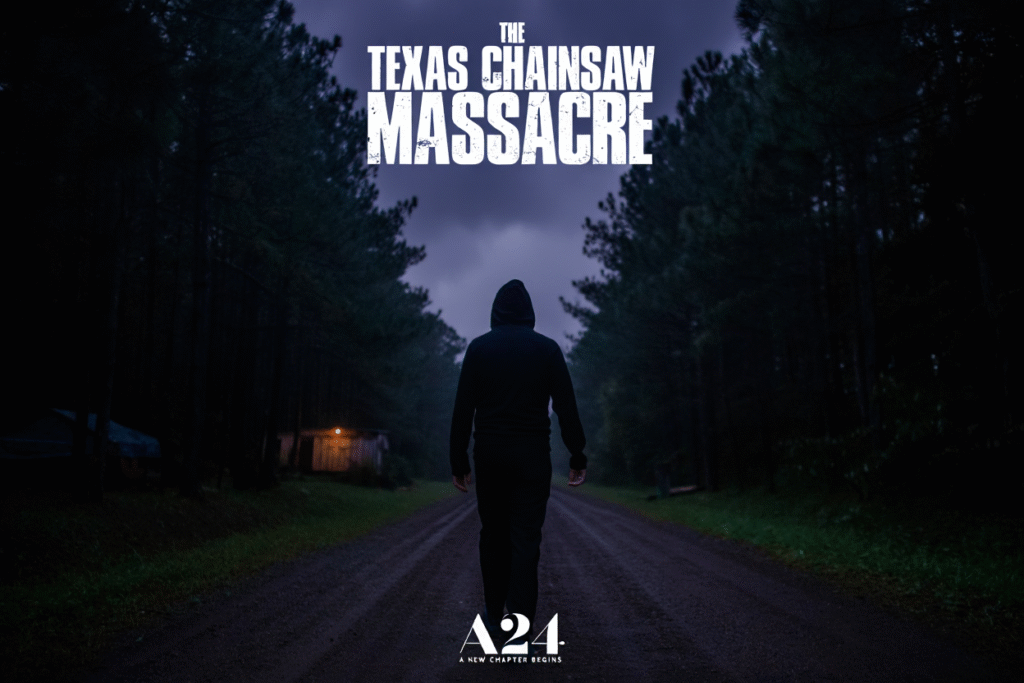
The involvement of Glen Powell as executive producer hints at a character-first approach rather than nostalgia bait. This isn’t about recreating iconic scenes shot-for-shot — it’s about understanding why The Texas Chainsaw Massacre worked in the first place: raw anxiety, moral decay, and the sense that civilization ends far sooner than we’d like to admit.
Director JT Mollner’s sensibilities further reinforce this direction. His work leans into psychological unease and moral ambiguity, suggesting that Leatherface may be framed less as a jump-scare machine and more as an inevitability — a presence born from neglect, cruelty, and generational rot.
What makes A24 uniquely suited for this franchise is its obsession with atmosphere. Expect long, punishing takes of sun-bleached fields, buzzing insects, and decaying farmhouses that feel more oppressive than any chase sequence. Fear won’t come from sudden violence, but from the certainty that violence is waiting.
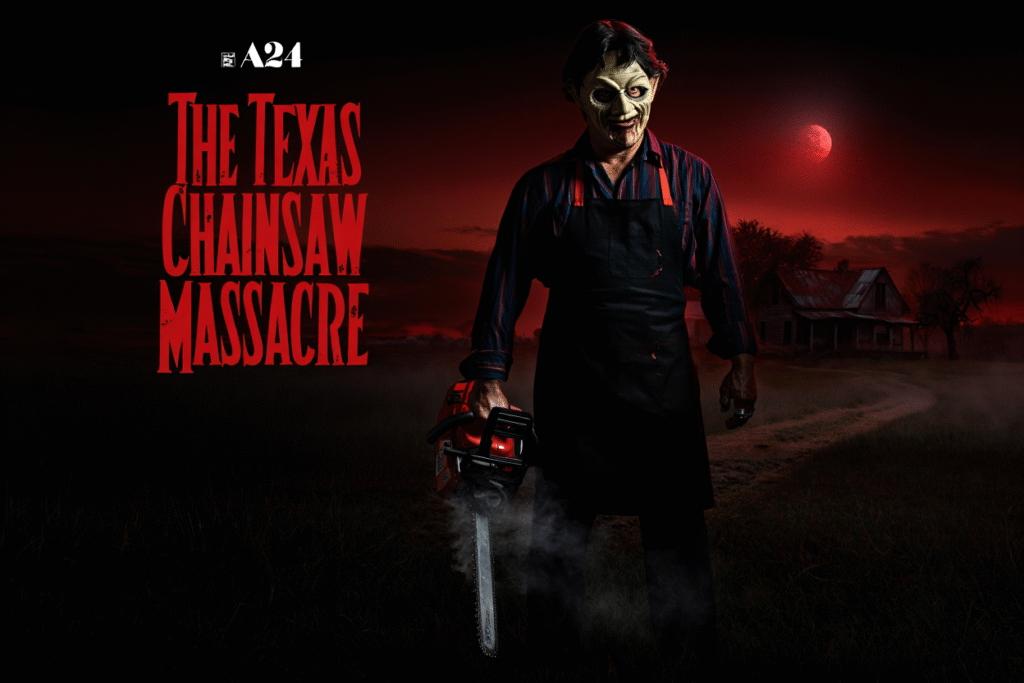
Leatherface himself is poised for reinvention. In this version, he may speak even less — not because he’s mysterious, but because he doesn’t need to explain himself. His horror will likely come from how normal he feels within his environment, how seamlessly he blends into a world already stripped of empathy.
This reboot also opens the door to examining class, isolation, and the myth of rural Americana. A24 has never shied away from discomfort, and this version of Texas may feel less like a setting and more like a wound — a place abandoned, ignored, and left to fester.
The promise of a feature film following the series suggests a carefully constructed arc rather than a cash grab. The show can lay the psychological groundwork, while the film delivers the inevitable collapse — a strategy that aligns perfectly with A24’s patient, deliberate storytelling style.
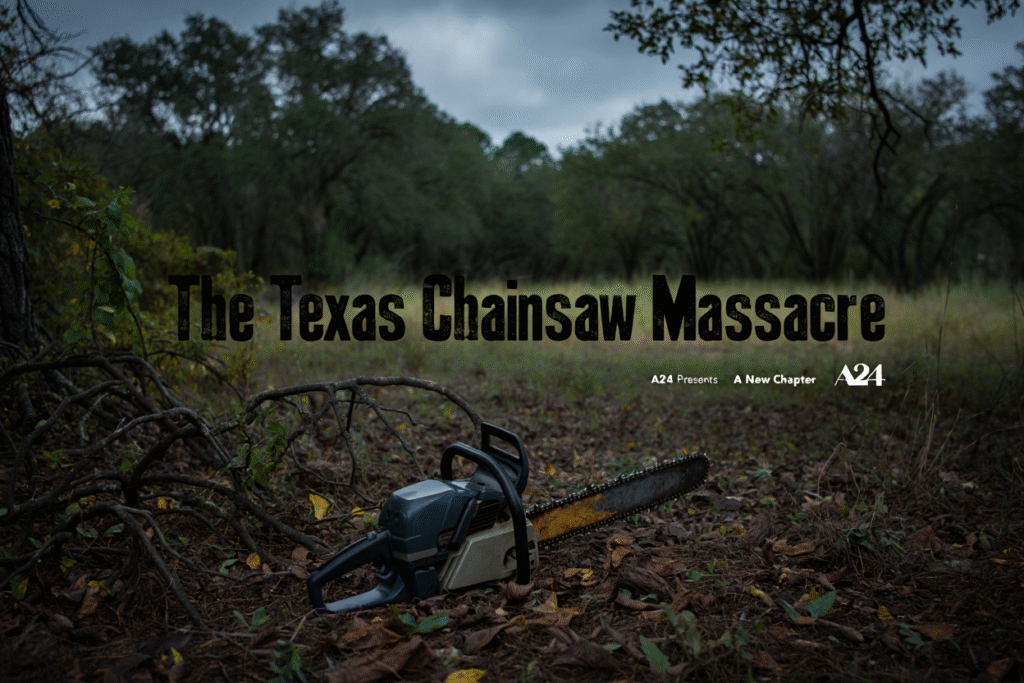
Importantly, this reboot doesn’t feel interested in making Leatherface “cool” again. There’s no sense of irony, no wink to the audience. If anything, it seems intent on making him horrifying in a way that’s difficult to enjoy — which is exactly what The Texas Chainsaw Massacre should be.
If A24 succeeds, this won’t be a franchise about survival alone. It will be about endurance — of fear, of environment, of violence passed down like an inheritance. This new chapter doesn’t just ask who survives Leatherface.