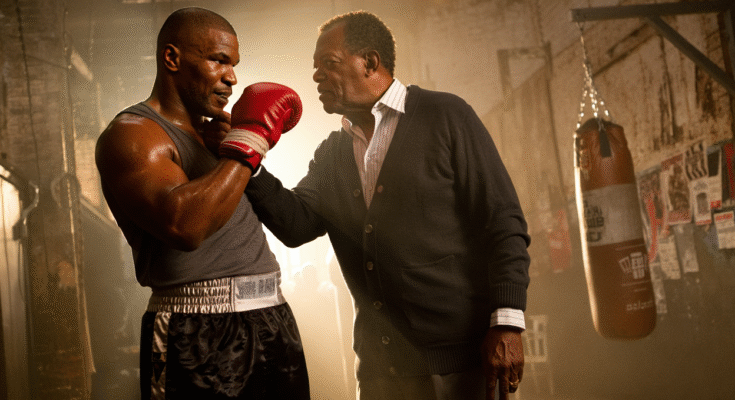
Tyson: Warm Up is not a film about glory—it’s a film about pressure. From its opening moments, the movie makes it clear that this is not the Mike Tyson of pay-per-view dominance and global fame, but the volatile, frightened, ferociously driven young man still learning how to survive. It’s a grounded, bruising origin story that focuses on formation rather than triumph.
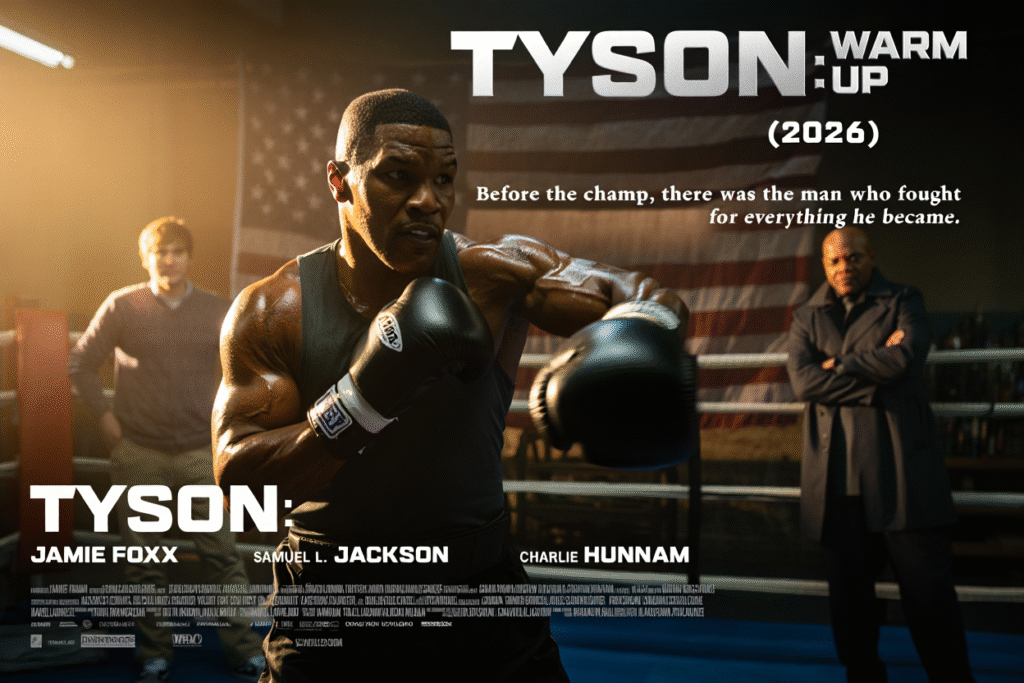
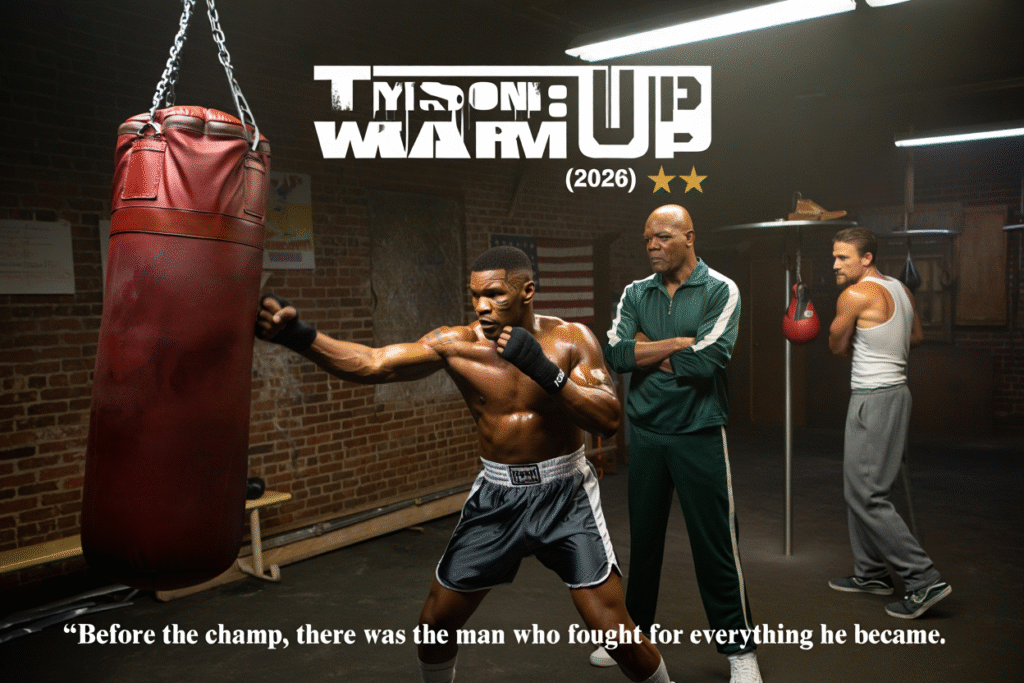
Jamie Foxx delivers a commanding and deeply physical performance as Mike Tyson. Rather than exaggerating Tyson’s public persona, Foxx strips him down to raw instinct—anger barely contained, vulnerability constantly leaking through the cracks. His Tyson is not yet a monster of the ring, but a young man overwhelmed by his own power, unsure whether boxing will save him or destroy him.
Samuel L. Jackson’s Cus D’Amato is the film’s emotional backbone. Jackson avoids turning Cus into a mythic boxing sage and instead presents him as a flawed, obsessive, almost frightening mentor. His Cus believes fear is the ultimate weapon, and Jackson plays him with icy conviction. The relationship between Cus and Tyson feels intense, uncomfortable, and deeply necessary—more psychological conditioning than coaching.
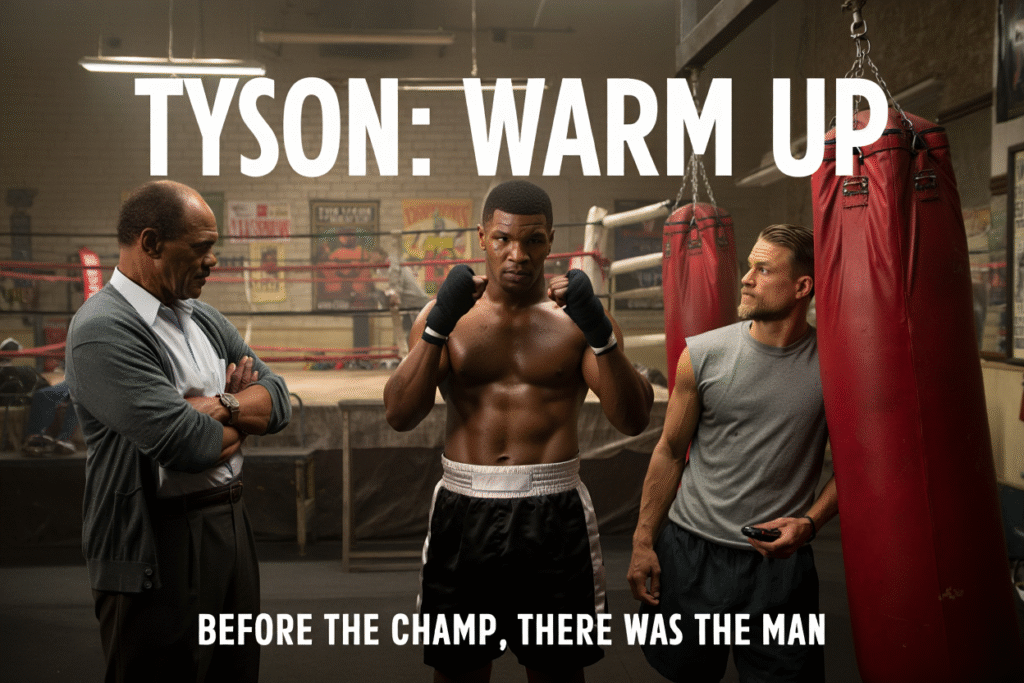
Charlie Hunnam’s Kevin Rooney provides a crucial counterbalance. Where Cus is rigid and domineering, Rooney is practical and grounding. Hunnam brings quiet strength to the role, embodying discipline without cruelty. His scenes with Foxx often feel like moments of oxygen in an otherwise suffocating world, reminding Tyson—and the audience—that control matters as much as violence.
The film’s depiction of Brooklyn is grim without being exploitative. Streets feel tight, claustrophobic, and unforgiving, reinforcing the idea that Tyson’s aggression wasn’t born in the ring—it was sharpened long before. The environment constantly presses in on him, making boxing feel less like a choice and more like the only possible escape.
The boxing scenes themselves are brutal and unglamorous. Director and choreographer emphasize speed, fear, and chaos over spectacle. Fights are short, explosive, and disorienting, mirroring Tyson’s early style. There’s no slow-motion hero worship here—just fists, breath, and impact. Each match feels like survival, not celebration.
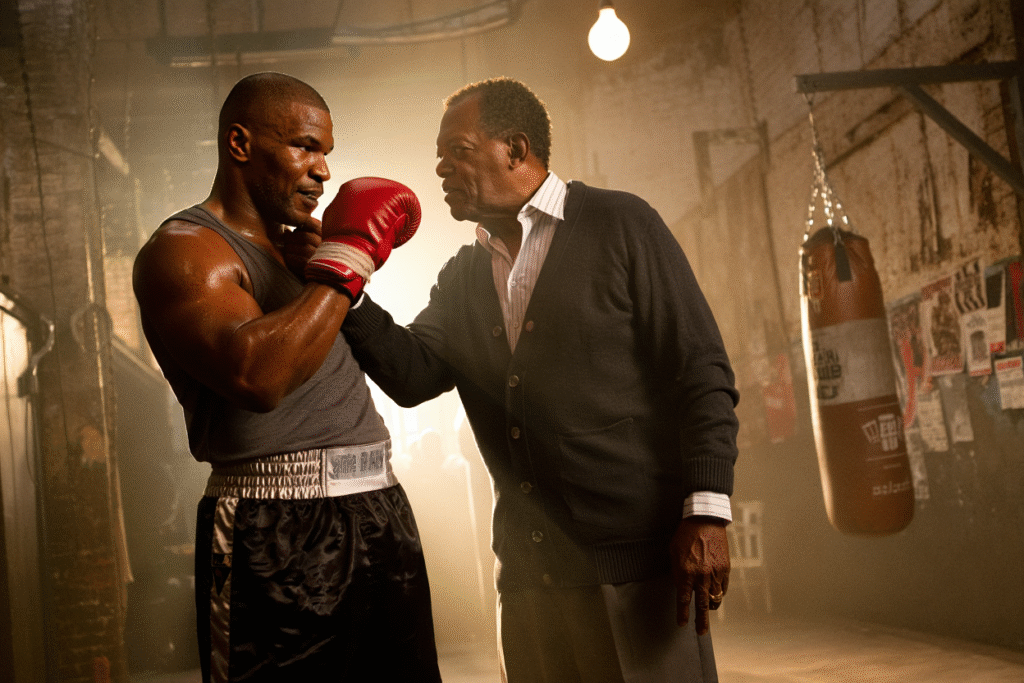
What sets Tyson: Warm Up apart from typical sports biopics is its refusal to offer easy inspiration. The film repeatedly shows that Tyson’s rise comes at a cost: emotional isolation, dependency on authority, and a growing inability to separate identity from violence. Success feels earned—but also deeply dangerous.
The screenplay smartly avoids covering too much ground. Rather than racing through milestones, it focuses on formative moments: the first real discipline, the first controlled fight, the first taste of fear turning into dominance. This restraint gives the story weight and prevents it from becoming a checklist of achievements.
Musically and visually, the film keeps things restrained and tense. The score pulses rather than swells, reinforcing anxiety instead of triumph. Cinematography favors close framing, often trapping Tyson in the frame, visually echoing the psychological cages built around him by expectations and mentorship.
In the end, Tyson: Warm Up is a powerful, unsettling character study rather than a traditional sports film. It asks uncomfortable questions about masculinity, control, and the price of greatness. By ending before the full explosion of Tyson’s fame, the film leaves us with a chilling realization: the most dangerous part of the story isn’t what’s coming—it’s what’s already been built.