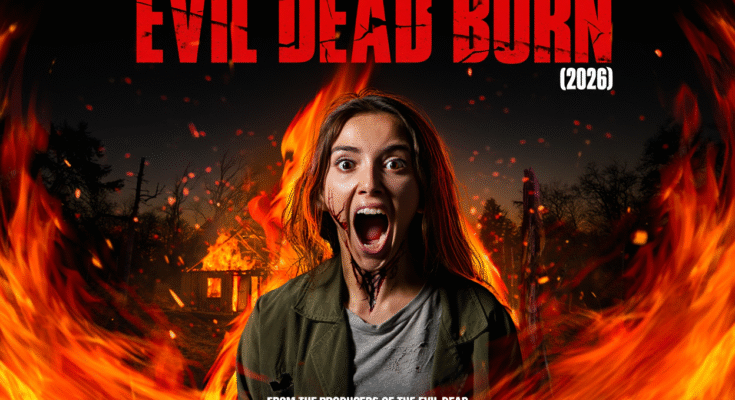
There’s a certain brutality expected from an Evil Dead film — not just in gore, but in how relentlessly it pushes its characters into despair. Evil Dead Burn understands that legacy and doubles down, delivering a chapter that feels raw, vicious, and almost suffocating in its intensity.
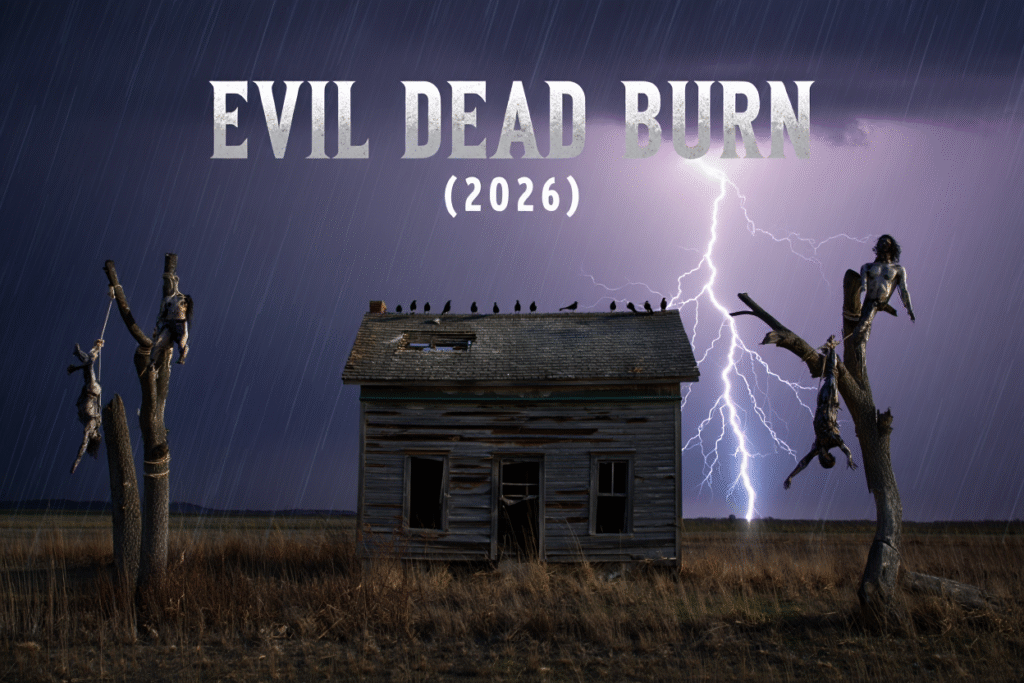
From the opening moments, the film wastes no time establishing its tone. This isn’t a slow descent into horror — it’s an immediate plunge. The familiar presence of the Necronomicon returns, but this time, its evil feels less contained, less ritualistic, and far more chaotic. It doesn’t just corrupt… it spreads.
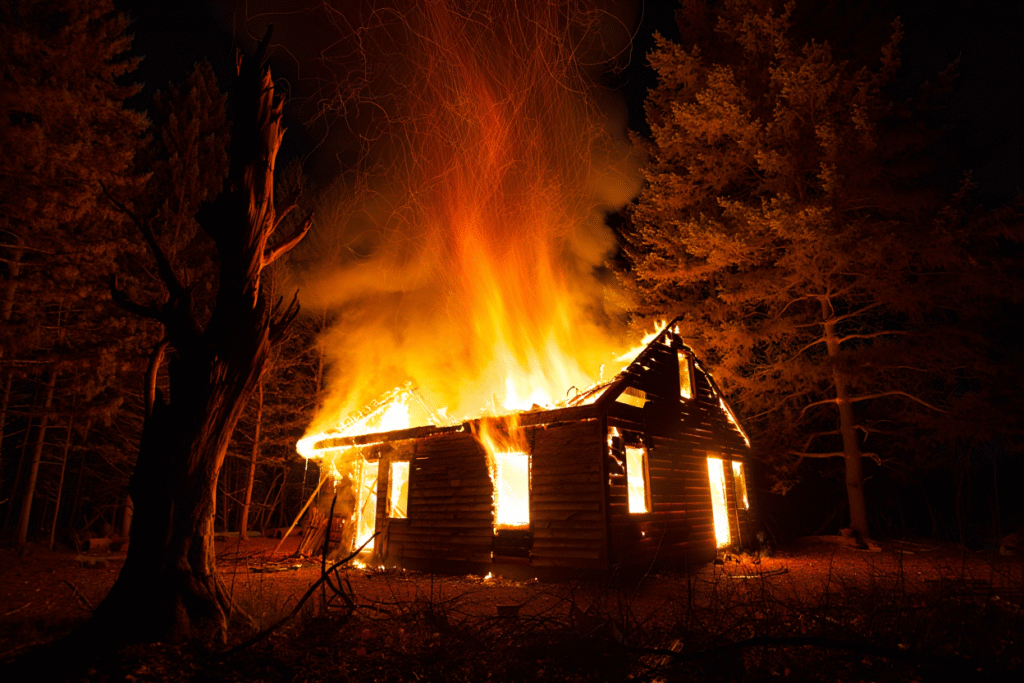
The story centers on a group of survivors trapped in an isolated location, but unlike previous installments, the environment itself feels like an active participant. Fire becomes a central motif — not as salvation, but as illusion. The idea that burning evil can stop it is quickly dismantled, replaced by something far more unsettling: some things don’t fear destruction.
What makes Evil Dead Burn stand out is its physicality. The horror is not distant or implied — it is immediate, aggressive, and deeply uncomfortable. Every possession feels violent, every transformation feels earned through pain. The film doesn’t shy away from its brutality; it leans into it.
The performances carry a sense of desperation that grounds the chaos. Characters don’t feel like archetypes — they feel trapped, reacting in real time to something they cannot understand or control. That unpredictability makes every decision feel dangerous.
Visually, the film embraces a harsher, grittier style. Shadows flicker against flames, blood contrasts against ash, and the constant presence of fire creates an atmosphere that feels both alive and suffocating. It’s a world where light doesn’t bring safety — it reveals more horror.
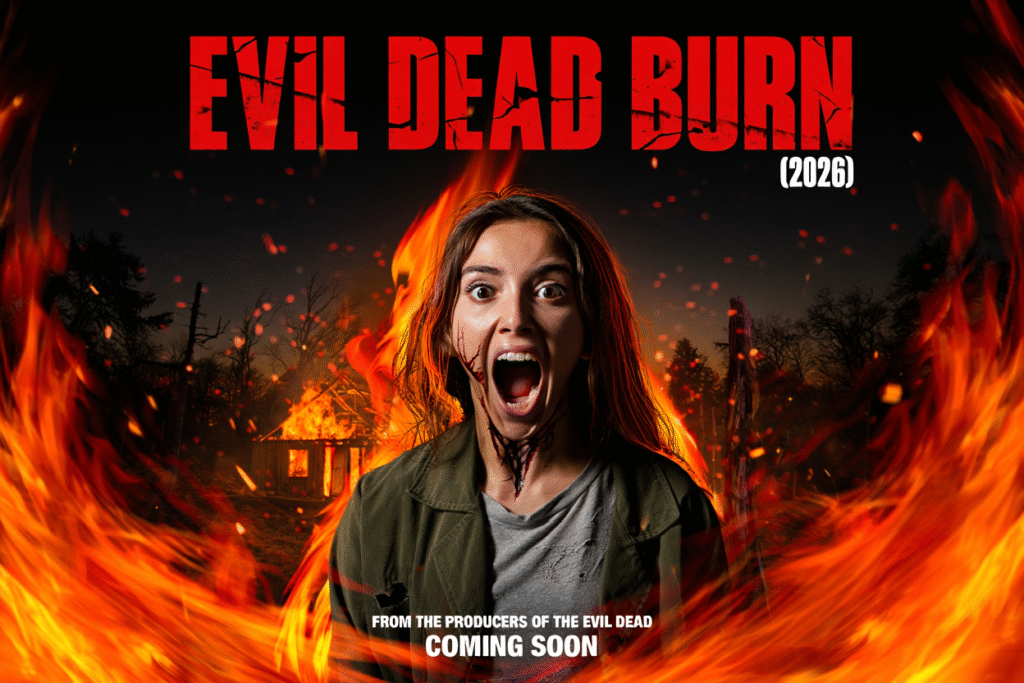
Sound design plays a crucial role here. The whispers of the Deadites, distorted voices layered over crackling flames, and sudden bursts of silence create a sensory experience that keeps the audience on edge. The horror isn’t just seen — it’s felt.
What’s particularly effective is how the film treats hope. Every time the characters believe they’ve found a solution, it collapses. Fire, escape routes, even trust between survivors — nothing holds for long. The film systematically removes every sense of security.
There’s also a deeper thematic layer beneath the chaos. Evil Dead Burn explores the idea of destruction as a false cure. It questions whether humanity’s instinct to “burn away” problems actually solves anything — or simply feeds the cycle.
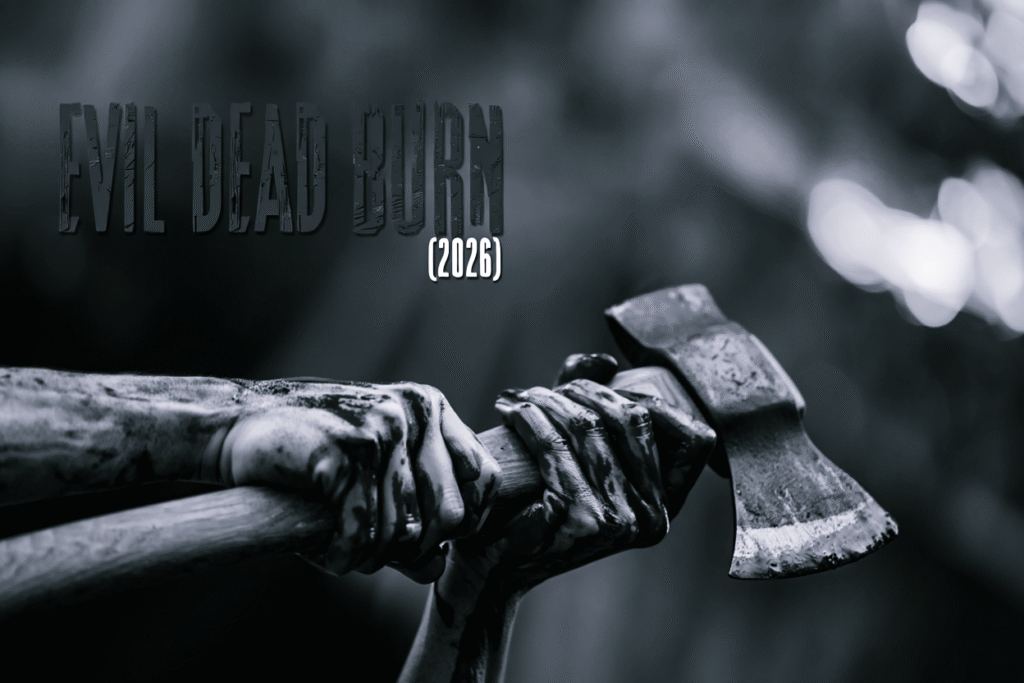
The Deadites themselves feel more aggressive and unpredictable than ever. They don’t just taunt — they manipulate, mock, and adapt. There’s a cruel intelligence behind them that makes every encounter feel personal.
As the film builds toward its climax, it becomes less about survival and more about endurance. The characters are pushed beyond fear into something darker — a numb, desperate will to keep going, even when there’s no clear way out.
Evil Dead Burn (2026) is not a comfortable watch, and it’s not meant to be. It’s relentless, chaotic, and unapologetically brutal — a horror film that strips away the illusion of control and leaves nothing but raw survival.