There’s a peculiar kind of comedy that begins with confusion and slowly reveals something deeper beneath the laughter. Boo! Is She Dead? plays exactly in that space—where absurdity meets existential dread, and somehow, against all odds, turns it into something heartfelt.
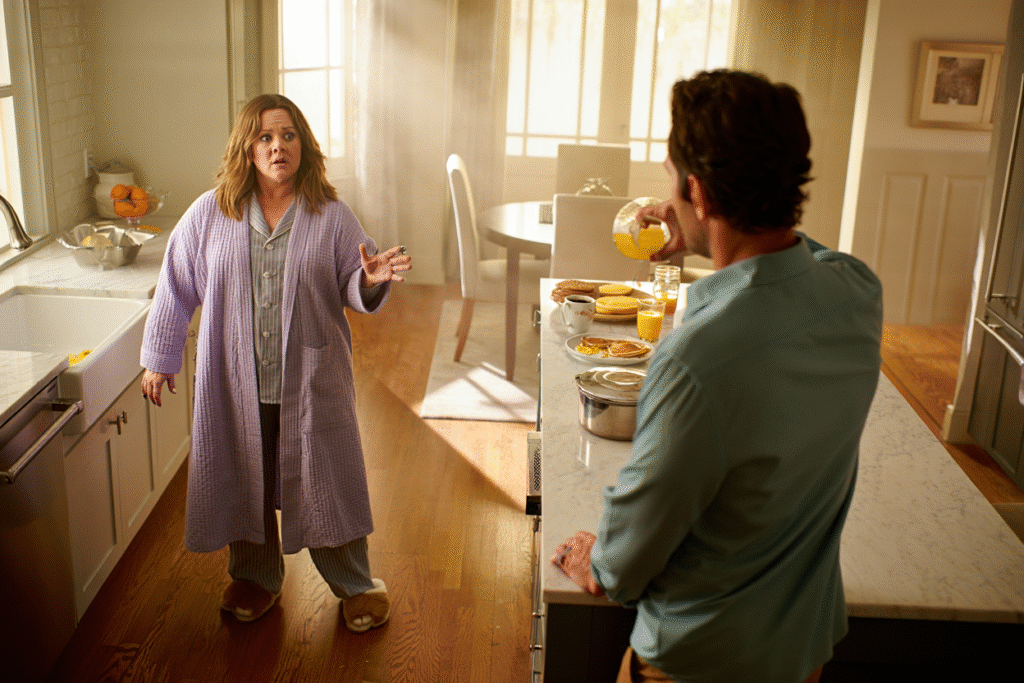
The film opens with a simple but unsettling premise: a woman wakes up, and the world no longer responds to her. It’s quiet at first, almost subtle, but that silence quickly becomes the loudest thing in the room. From that moment on, the film invites us into Cindy’s disorientation—a place where reality feels slightly out of sync, like a dream you can’t quite wake up from.
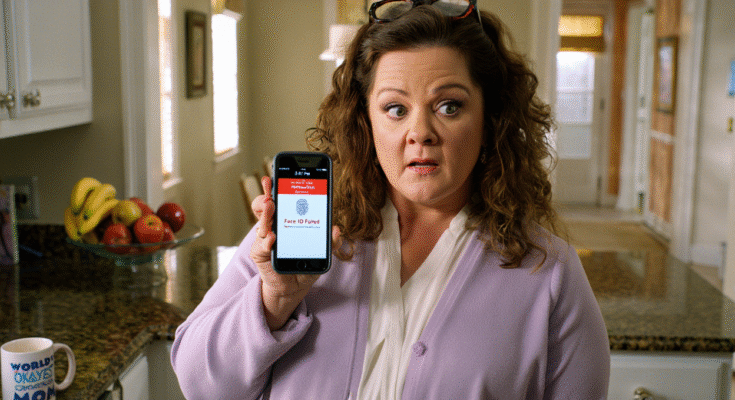
Melissa McCarthy delivers one of her more layered performances here. Yes, she’s funny—effortlessly so—but there’s a vulnerability underneath the chaos. Her comedic timing never overshadows the emotional weight of what’s happening. Instead, it enhances it. Every exaggerated reaction is rooted in something real: fear, loneliness, and the desperate need to be seen.
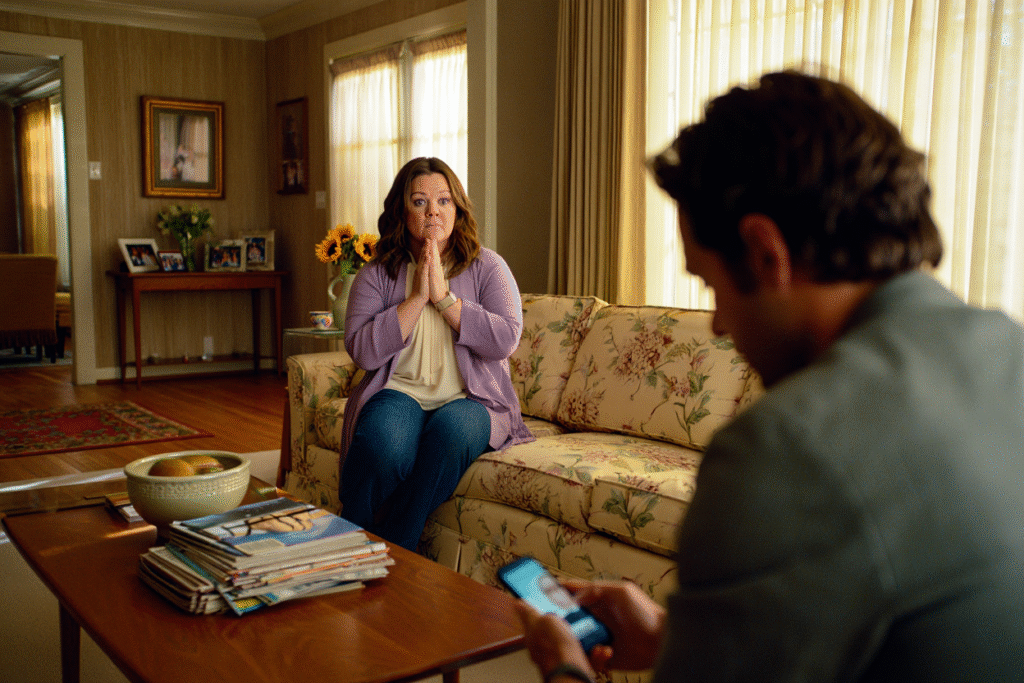
Jamie Lee Curtis brings an entirely different energy—controlled, knowing, and just unsettling enough to keep you guessing. Her character exists in that perfect gray area between guide and mystery. Every word she speaks feels intentional, as if she understands the rules of a game Cindy hasn’t even realized she’s playing yet.
Paul Rudd, as the oblivious husband, leans into his charm in a way that feels almost ironic. He’s warm, familiar, and completely unreachable. His presence becomes one of the film’s quiet tragedies—someone so close, yet entirely out of reach, highlighting the emotional distance that existed long before anything supernatural began.
Octavia Spencer grounds the film beautifully, offering both humor and emotional clarity. Her connection to the supernatural doesn’t feel gimmicky—it feels earned. She becomes the bridge between chaos and understanding, guiding not just Cindy, but the audience, toward the film’s deeper meaning.
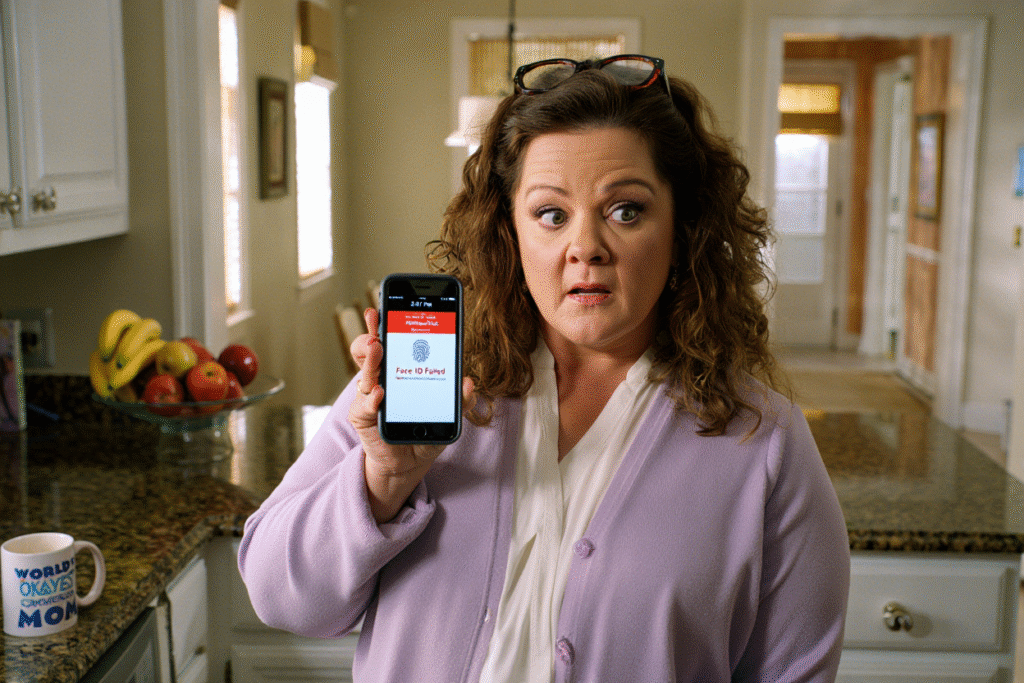
What makes the film stand out is how it uses comedy as a disguise. The jokes come quickly—awkward attempts at interaction, physical gags, bizarre misunderstandings—but they’re never empty. Each laugh carries a hint of discomfort, a subtle reminder that something isn’t quite right beneath the surface.
As the story unfolds, the central question—is she dead?—becomes less important. The film shifts its focus toward something more introspective. It begins to ask whether Cindy was ever truly present in her own life to begin with. That shift is where the film finds its emotional core.
There’s a quiet commentary here about modern existence—the feeling of being overlooked, of blending into routines so deeply that you start to disappear without noticing. The supernatural becomes a metaphor, not just a plot device, reflecting a very human fear of invisibility.
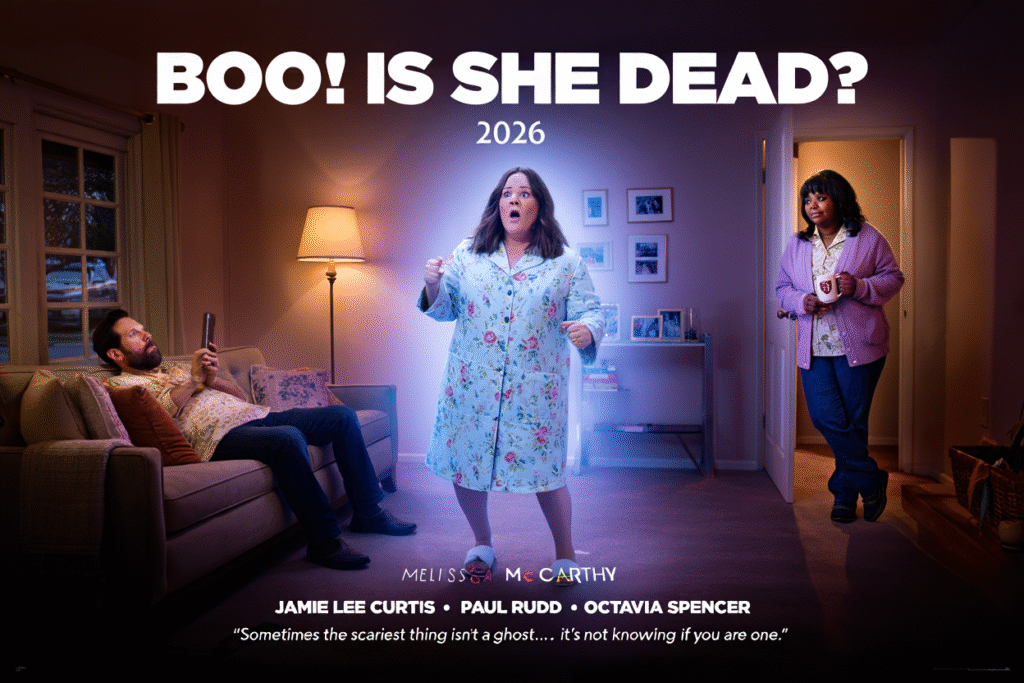
Visually, the film plays with this idea in clever ways. Spaces feel familiar but slightly off, interactions feel delayed or incomplete, and the world itself seems to hesitate around Cindy. It creates an atmosphere that is both comedic and faintly unsettling, like reality itself is unsure what to do with her.
The emotional payoff arrives gently, without forcing sentimentality. It’s not about shocking twists or dramatic reveals—it’s about realization. Cindy begins to understand that the real horror isn’t death, but disconnection. And the real resolution isn’t escape, but presence.
Boo! Is She Dead? is more than a ghost comedy—it’s a reflection on what it means to exist fully. It reminds us that being alive isn’t just about breathing or being seen by others. It’s about showing up, engaging, and refusing to fade into the background of your own story.