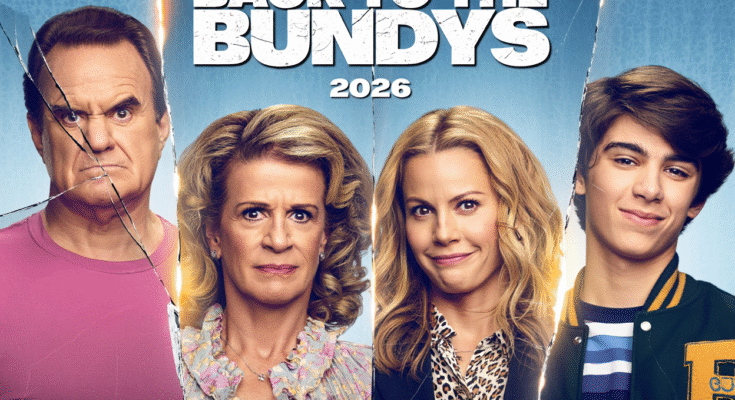
Back to the Bundys arrives with one clear advantage: it knows exactly what audiences want. No reinvention, no prestige makeover, no sudden emotional softness pretending the past never happened. The teaser suggests a smarter path — bring the Bundys back exactly as they were and let the modern world suffer the consequences.
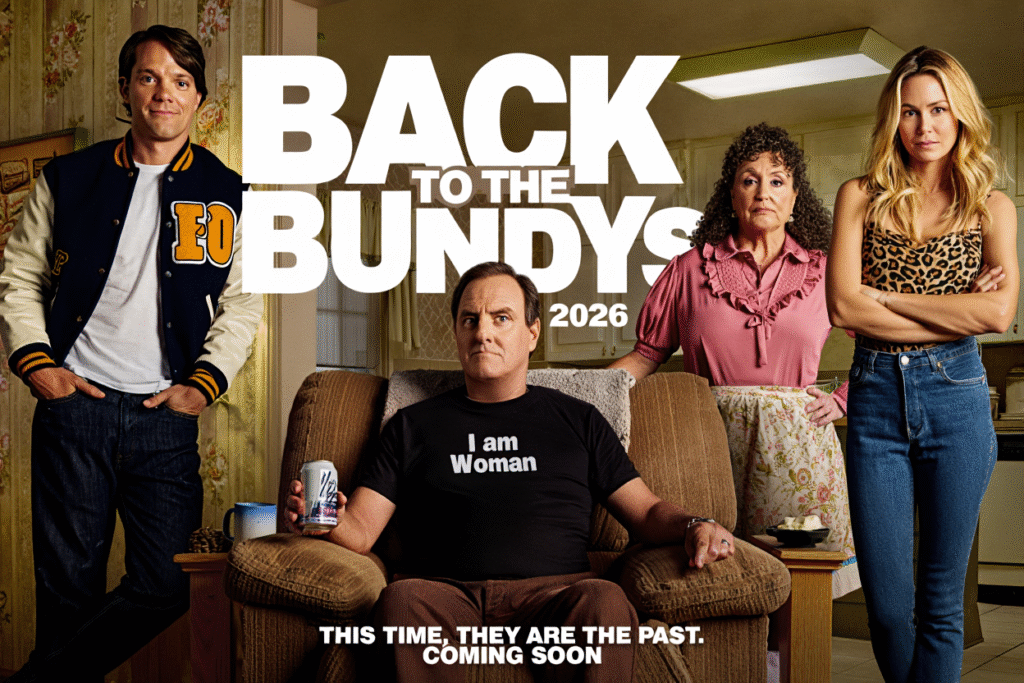
Reuniting Ed O’Neill, Katey Sagal, Christina Applegate, and David Faustino is more than nostalgia casting. Their chemistry was always the engine of the original chaos. The Bundys worked because every member operated selfishly, lazily, or foolishly in a completely different way, creating a family unit held together by mutual irritation.
Ed O’Neill’s Al Bundy remains one of sitcom television’s great antiheroes. Bitter, exhausted, outdated, yet weirdly honest, Al represented a man permanently disappointed by life and too stubborn to evolve. In 2026, that refusal to adapt becomes even richer comic material.
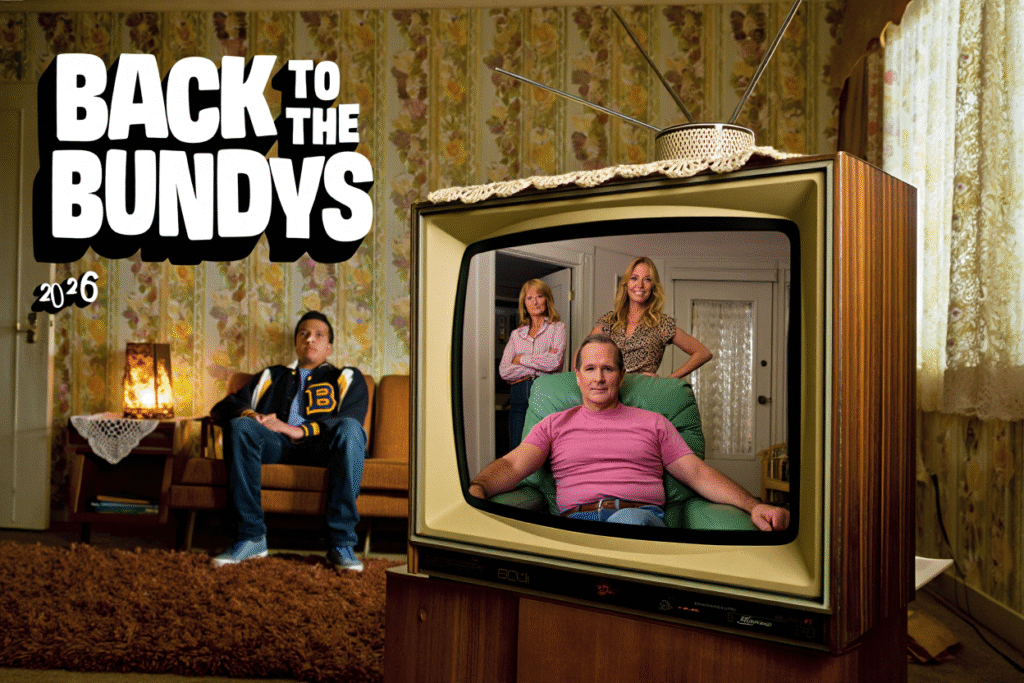
Katey Sagal’s Peggy was never simply irresponsible — she was gloriously committed to avoiding effort. Her talent was turning laziness into lifestyle philosophy. In a world obsessed with productivity and self-optimization, Peggy’s unapologetic refusal to care may be funnier than ever.
Christina Applegate’s Kelly and David Faustino’s Bud completing the family dynamic matters just as much. Kelly’s confident absurdity and Bud’s desperate insecurity were opposite forms of incompetence. Seeing them older but still repeating familiar mistakes could add both humor and unexpected melancholy.
The strongest idea in the teaser is not that the Bundys return, but that the world has moved on without them. Great revivals need tension between past identity and present reality. The Bundys are no longer merely dysfunctional — they are historically dysfunctional.
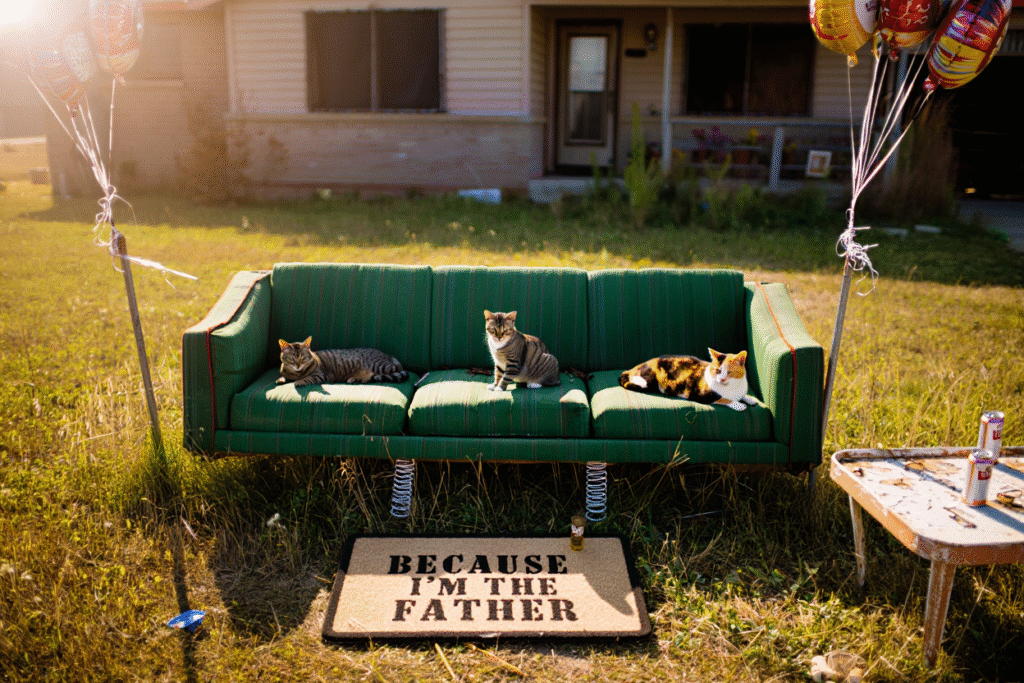
That opens endless comedic possibilities. Al navigating digital life, Peggy confronting influencer culture, Kelly discovering fame no longer requires talent, Bud trying to become a modern alpha male through online nonsense — all fertile ground if written sharply.
What separated Married… with Children from gentler family sitcoms was its refusal to sentimentalize domestic life. The Bundys rarely learned lessons, rarely improved, and rarely pretended love looked polished. Beneath insults and selfishness, however, there was strange loyalty.
That strange loyalty could become the emotional key here. When an “unexpected situation” forces them under one roof again, the comedy can come from old habits returning instantly, while subtle warmth emerges from the fact that despite everything, they still come back to each other.
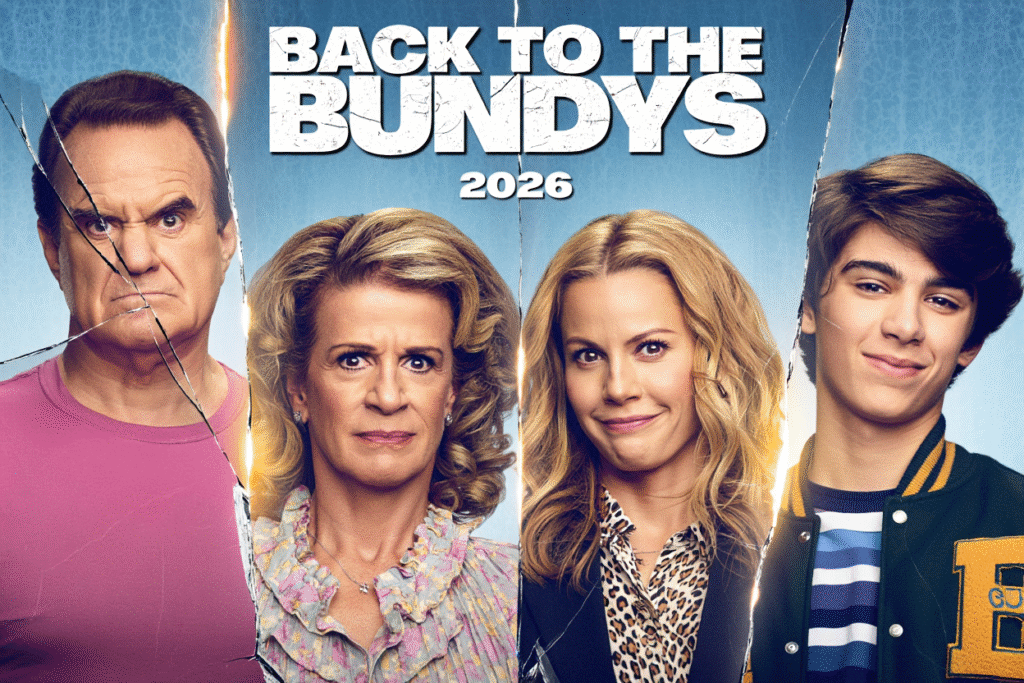
The teaser’s line — they are the past — is especially sharp. It suggests satire not just of the Bundys, but of society’s endless recycling of old culture. They are relics and survivors at once.
To succeed, the show must avoid sanitizing them for modern comfort while also avoiding lazy repetition. The challenge is not to make the Bundys nicer; it is to make them relevant by being gloriously, stubbornly irrelevant.
Back to the Bundys has real potential as both reunion and commentary. It reminds us that some families never grow, never learn, and never stop embarrassing themselves — which is exactly why audiences loved them in the first place.