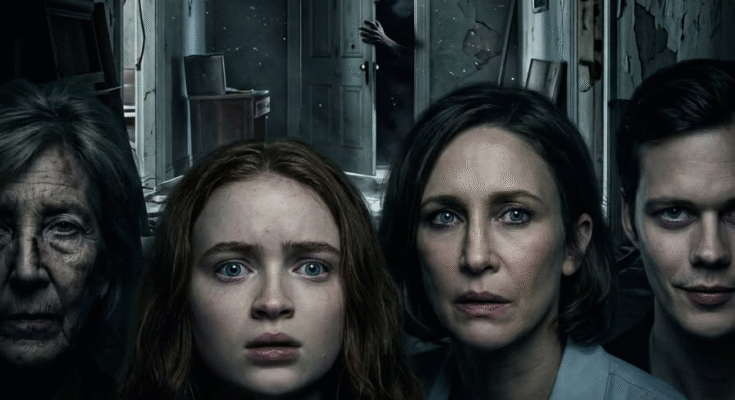
Granny: Don’t Look Back takes a familiar challenge of modern horror adaptation: how do you turn a viral game legend into a real film experience? The answer, judging by this teaser, is not bigger lore or flashy mythology — it is atmosphere. Instead of treating the source as gimmick, the film appears to understand that its true power lies in vulnerability, confinement, and the primal terror of being heard.
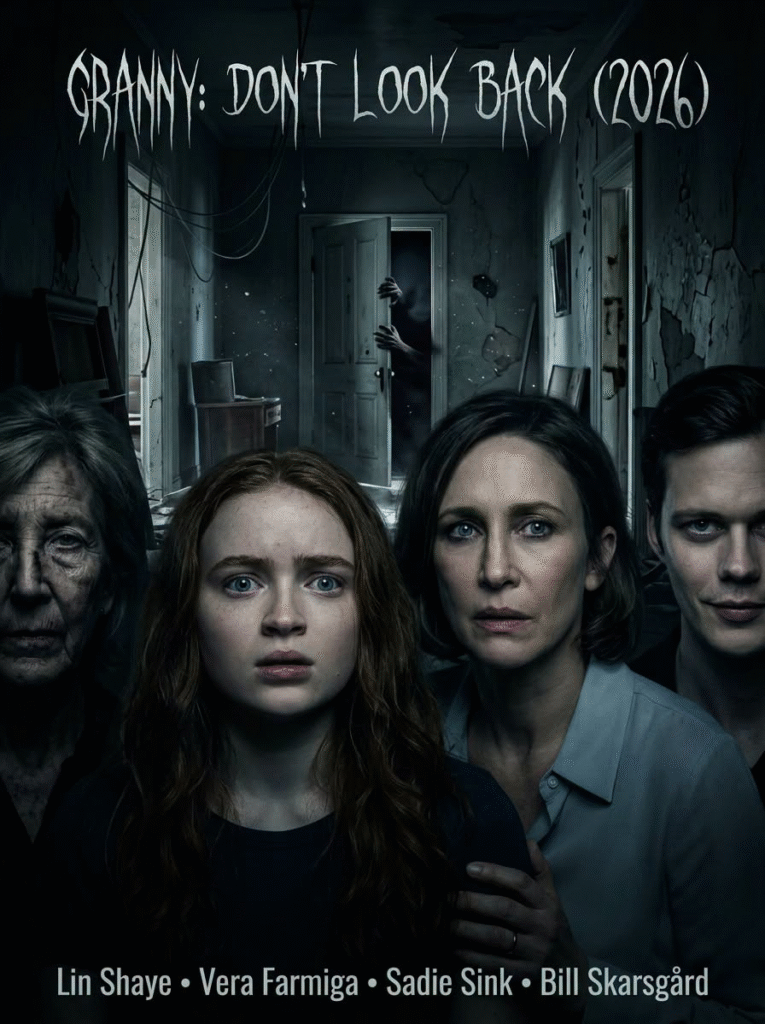
The premise is elegantly brutal. A group of strangers wakes trapped inside a decaying labyrinth where noise equals danger. Horror often works best when rules are simple and merciless. Here, every creak, cough, whispered panic, or racing heartbeat becomes potential betrayal. Silence transforms from absence into pressure.
Lin Shaye as Granny is inspired casting. Few performers embody unsettling menace with such instinctive precision. Shaye has long been one of horror’s secret weapons, capable of making stillness feel predatory. As a relentless figure who hunts not with speed but patience, she could turn Granny into something far more frightening than a jump-scare icon.
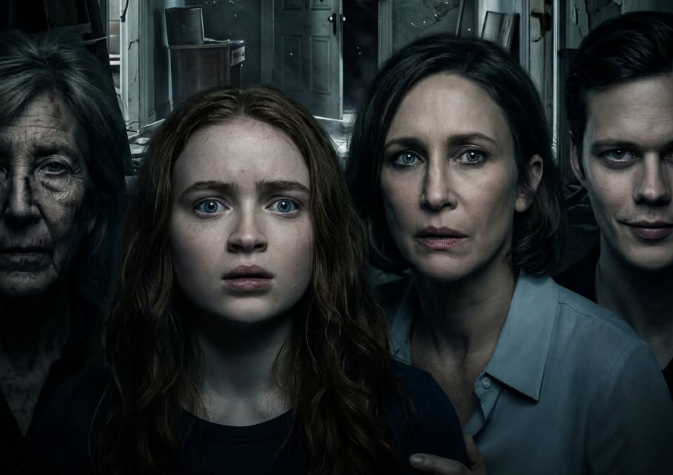
What makes the character effective is the phrase: she doesn’t just hunt… she plays. That distinction matters. Predators kill; sadists orchestrate fear. A villain who manipulates space, timing, and psychology becomes more disturbing because suffering is part of the design.
The house itself sounds positioned as a central antagonist. A decaying, shape-shifting maze where escape routes deceive and rooms reveal hidden intent can elevate the film beyond simple chase mechanics. Great haunted-house horror turns architecture into psychology — corridors that feel like guilt, basements like buried truth.
Vera Farmiga brings instant credibility to any supernatural or psychological horror setting. Her presence suggests emotional intelligence and grounded fear rather than disposable victimhood. She excels at characters trying to remain rational while reality turns hostile.
Sadie Sink is equally strong casting for modern horror. She carries vulnerability, intelligence, and rising panic convincingly, ideal for a younger character forced into courage under impossible pressure. She also connects the film to a newer generation of genre audiences.
Bill Skarsgård’s inclusion adds an unpredictable edge. Whether ally, manipulator, or something more sinister, he naturally brings uncanny energy. Audiences instinctively distrust him — a useful tension in a story where not everyone entered the house by accident.
That idea of hidden motives is where the film can deepen. Survival horror becomes richer when danger outside mirrors betrayal inside. Panic fractures trust quickly. Who makes noise? Who sacrifices whom? Who already knows more than they admit?
The title Don’t Look Back is psychologically potent. It may refer to literal survival rules, but also to guilt, trauma, or the danger of confronting origins too late. Strong horror titles create metaphor alongside threat.
Tonally, the film seems poised between psychological dread and relentless tension. If it resists overexplaining Granny, mystery will remain its sharpest weapon. Some monsters weaken when understood.
Granny: Don’t Look Back has the ingredients for a genuinely effective adaptation: simple rules, oppressive atmosphere, strong casting, and fear rooted in helplessness. It reminds us that terror does not always scream. Sometimes it listens… and waits for you to make the smallest sound.